Choosing the Right Water Softener for Reliable Performance at Home
 Admin
Published
DeskHome Services
Good water makes a difference in ways that are easy to overlook. It shows up in the way your dishes look after washing, how quickly your bathroom fixtures collect white deposits, and whether your shower feels comfortable at the end of a long day. When these little problems keep returning, hard water may be the reason. And while a bottle of cleaner can remove some visible buildup, it won’t address the minerals responsible for it.
A properly selected water softener can help manage these issues and make everyday household chores a little less frustrating. But choosing a system isn’t simply about picking a model with impressive features. It means understanding your water supply, comparing available technologies, and finding equipment that suits the way your household actually uses water.
Why Water Quality Deserves More Attention
Hard water develops when groundwater absorbs naturally occurring calcium and magnesium from rocks and soil. These minerals aren’t automatically dangerous, but they can leave deposits on surfaces and interfere with the way soap behaves.
You may notice spots on drinking glasses, residue around faucets, or a chalky layer inside your kettle. Showerheads can gradually become clogged with scale, while appliances that heat water may accumulate mineral deposits internally. The effects depend on the hardness level, water temperature, and how frequently equipment is used.
Laundry can be affected, too. Some people find that clothes washed in hard water feel less soft or that detergent doesn’t perform as expected. Cleaning products may need to work harder to remove residue, adding time to a routine that already feels busy.
These signs are worth investigating, although they don’t all prove that hardness is the only problem. Iron, sediment, plumbing conditions, and other water quality factors can produce similar symptoms. A water test helps establish what’s actually happening instead of relying on guesswork.
Understanding the Role of a Water Softener
A conventional water softener typically uses ion exchange to reduce calcium and magnesium. Water passes through a resin bed, where hardness minerals are exchanged for sodium or potassium ions. When the resin reaches its capacity, the system regenerates so it can continue treating water.
For homeowners comparing premium equipment, the Premier XP Q850 may be a model to investigate as part of their research. Before choosing any specific unit, confirm its exact specifications, intended application, treatment capacity, and installation requirements with the manufacturer or an authorized supplier. Product names alone don’t tell you whether a system will be appropriate for your water conditions.
The most useful comparison is based on measurable performance. Consider the hardness level, daily water consumption, peak demand, regeneration requirements, and the amount of space available for installation. A system that’s too small may struggle during busy periods, while an oversized unit may cost more than your household needs.
It’s also important to understand what softening does and doesn’t accomplish. A water softener targets hardness; it isn’t automatically designed to remove every contaminant that could affect drinking-water safety. If testing identifies other concerns, additional treatment may be necessary.
Comparing Different System Designs
Water softeners are available in several configurations, and their features can affect convenience, efficiency, and maintenance. Some systems regenerate according to a timer, while others monitor water use and regenerate when their treatment capacity has been consumed.
Demand-based operation can be helpful because household water consumption changes from day to day. A family might use considerably more water on laundry day than during a quiet weekday. Depending on the design and settings, a demand-operated unit can better match regeneration to actual use.
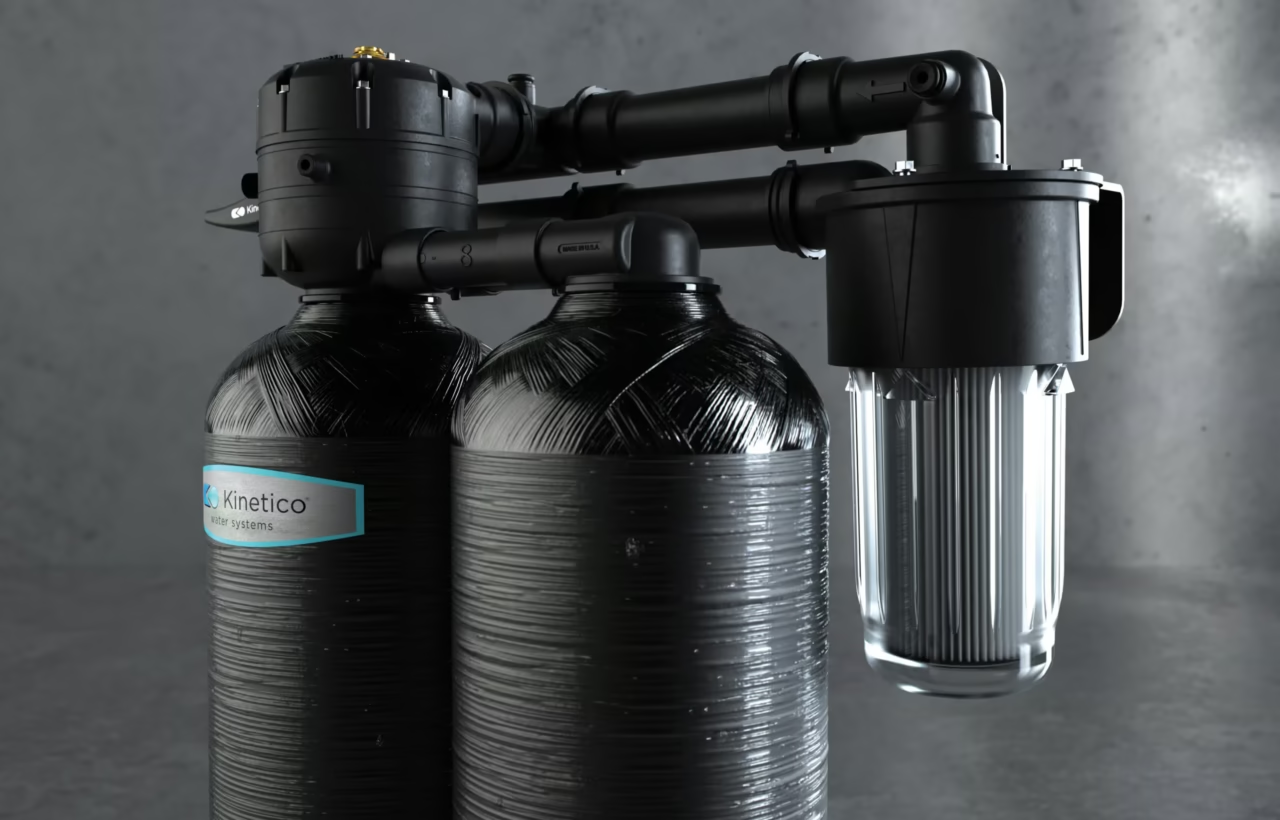
Tank configuration matters as well. Certain systems use a single resin tank, while alternating dual-tank designs can allow one tank to treat water while the other regenerates. This can be valuable in homes with higher water demand or a preference for a continuous supply of softened water.
However, additional features aren’t automatically necessary. A household with two occupants and moderate water use may have very different needs from a large family with several bathrooms. Compare the actual benefits of each design instead of assuming that the most complicated system will always deliver the best result.
What to Know About the Signature Series S250
When researching different options, homeowners may also come across the Signature Series S250. If this model is on your shortlist, check the manufacturer’s current documentation to establish its specifications and suitability. Confirm the rated capacity, operating requirements, regeneration method, warranty, and availability of replacement components before making a purchase.
It’s sensible to ask a supplier to explain how the equipment would perform under your home’s particular conditions. For example, a system’s stated capacity may need to be considered alongside the actual hardness level and expected daily water use. Two homes using similar amounts of water may require different treatment capacities if their incoming water has different mineral concentrations.
Ask about service support, too. A system can look attractive on paper, but long-term convenience depends partly on whether qualified technicians and appropriate replacement parts are readily available. Knowing how routine maintenance works before installation can save time and expense later.
If a supplier makes broad claims about guaranteed savings or maintenance-free operation, request clear documentation. Reliable advice should include practical limitations as well as benefits.
The Everyday Benefits of Soft Water
For many households, soft water means fewer new scale deposits on taps, shower screens, and other frequently used surfaces. Soap and shampoo may lather more readily, and some people find that bathing feels more comfortable. Results vary according to personal preferences, products, and the original water conditions.
Softened water can also help limit hardness-related scale in compatible appliances and plumbing. This may reduce some cleaning and maintenance demands, especially where mineral buildup has been a persistent issue. Still, a softener can’t reverse every form of existing damage, and heavily scaled equipment may need separate cleaning or professional servicing.
There are a few considerations to keep in mind. Traditional ion-exchange softeners add sodium to the treated water, with the amount influenced by the incoming hardness. People who have been advised to limit sodium should discuss suitable drinking-water arrangements with a healthcare professional. Depending on the household setup, a separate drinking-water tap or another appropriate solution may be worth considering.
Softening also isn’t the same as purification. If the goal is to address a particular contaminant, choose treatment based on test results and the technology’s verified capabilities.
Installation and Maintenance Shouldn’t Be Afterthoughts
Even a well-designed system needs proper installation. The installer should assess plumbing connections, available space, drainage requirements, and the manufacturer’s recommendations. Incorrect sizing or unsuitable settings can affect performance, so professional installation may be worthwhile when the setup is complex.
After installation, follow the recommended maintenance schedule. Salt-based systems generally require periodic salt replenishment, and some components may need cleaning or servicing. Keep an eye on changes in water behavior, including a return of scale buildup or unusual operating patterns.
If the water supply comes from a private well, periodic testing remains important. Water conditions can change over time, and a treatment system should be checked to ensure it’s still addressing the issues identified in the original analysis.
Keeping test results and service records in one place makes future maintenance easier. It also gives technicians useful information if the system’s performance changes unexpectedly.
Make the Decision Based on Your Water
Choosing a water softener is easier when you start with facts. Test your water, identify the problems you want to solve, and compare equipment according to its capacity, features, operating costs, and maintenance needs.
Whether you’re exploring a particular model or comparing several systems, ask questions and verify the details before committing. The right choice should fit your household rather than force your household to adapt to the equipment.
Ultimately, better water treatment is about practical improvements. Less time scrubbing mineral deposits, more manageable routine cleaning, and equipment that’s better protected against hardness-related scale can make a real difference. With reliable testing and a system selected for your needs, you can make a considered investment in your home’s everyday comfort.