Making Everyday Water Better: A Practical Guide to Filtration at Home
 Admin
Published
DeskHome Services
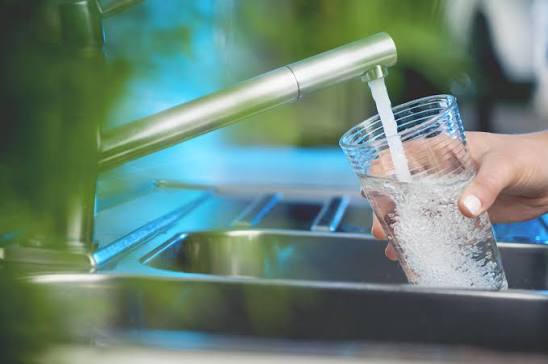
There’s something comforting about filling a glass straight from the kitchen tap. It’s quick, convenient, and usually part of a routine we barely notice. But when the water tastes a little like chlorine, leaves white marks on glassware, or smells different from one day to the next, that simple habit can become less appealing. You might start buying bottled water or wondering whether a filter would make a difference.
The answer depends on what’s happening with your water. Some households mainly want better taste, while others need to address hardness, sediment, or a particular contaminant. The trick is to understand the problem first and choose a solution that fits the way you actually use water.
Start With What You Notice
Water quality can vary according to the source, local conditions, and plumbing inside a property. Municipal water supplies are generally treated and monitored, but the taste and mineral content may still differ between communities. Private wells have their own considerations because groundwater can contain naturally occurring minerals or substances influenced by nearby land use.
Pay attention to changes around the home. White crust on faucets may suggest hard water. Orange stains can sometimes indicate iron, while an unusual smell may have several possible causes. These observations are helpful, but they aren’t a substitute for testing. Some substances cannot be detected by sight, smell, or taste.
If you’re unsure what’s causing the problem, start with your water supplier’s quality report or arrange a suitable water test. Testing can help distinguish between aesthetic concerns, such as taste and odor, and issues that require a more specific treatment method. It’s a small step, but it can save you from buying equipment that doesn’t address the real concern.
Why One Filter Doesn’t Solve Every Problem
Filtration technology comes in many forms, and each has a particular job. Sediment filters capture suspended particles. Activated carbon can reduce certain tastes, odors, and selected compounds. Water softeners address hardness minerals, while reverse osmosis systems can reduce a range of dissolved substances when the specific unit is designed and verified for them.
This is why targeted filtration systems can be a sensible approach. Rather than installing a complicated arrangement of equipment without a clear reason, you can select a system based on the results of testing and the improvements you want to achieve.
For example, a household bothered by chlorine taste may find that a suitable carbon filter meets its needs. A home with significant mineral scale may need a softener or another technology intended to manage hardness. If a test identifies a particular contaminant, the chosen product should have documented performance for that substance.
It’s worth checking independent certifications and the manufacturer’s specifications before making a purchase. A filter’s appearance, price, or number of stages doesn’t automatically tell you how well it performs. Look for clear information about what it reduces, how much water it can treat, and when its filter media needs replacement.
Improving the Taste of Your Drinking Water
Taste is often the reason people begin looking at filtration. Even when water meets applicable quality standards, its flavor may not suit everyone. Chlorine used in municipal water treatment, naturally occurring minerals, or other characteristics can influence how water tastes and smells.
For some households, great-tasting tap water starts with a properly selected carbon filter. These filters use porous media to adsorb certain substances as water passes through. Their performance depends on the carbon type, contact time, system design, and the compounds being targeted.
A filter may also make drinking water more convenient. Instead of regularly buying bottled water, you can fill a reusable bottle at home before leaving for work, school, or the gym. That’s one less item to remember when you’re rushing out the door.
Still, taste improvement shouldn’t be confused with complete purification. A filter designed to reduce chlorine taste may not remove bacteria, lead, or every dissolved contaminant. If safety is a concern, use appropriate testing and choose equipment verified for the specific substances involved.
Choosing Between Under-Sink and Whole-House Filtration
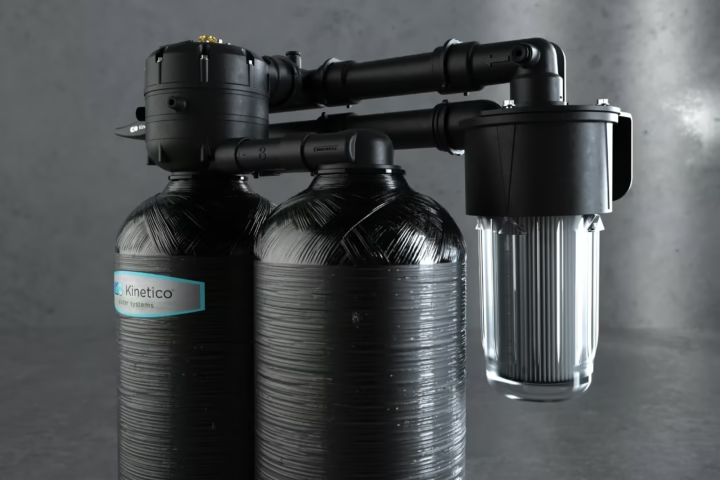
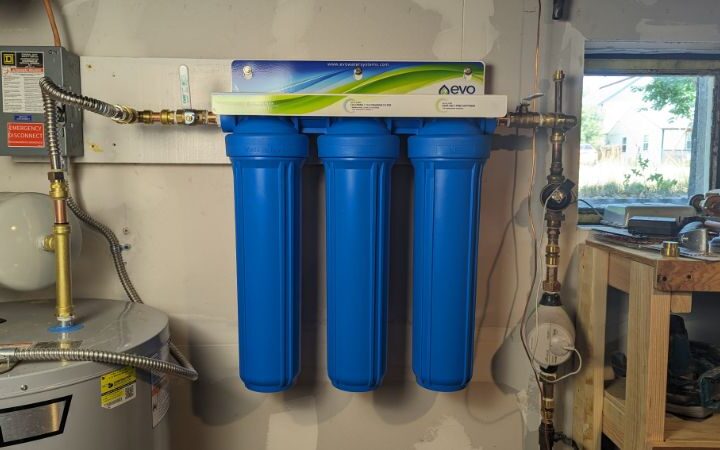
Where the system is installed can be just as important as the technology it uses. Under-sink filters generally treat water at one kitchen tap, making them useful for drinking and cooking. Whole-house systems treat incoming water before it reaches multiple fixtures, which may be appropriate when the concern affects the entire property.
Under-sink equipment is often easier to fit into an existing home, although cabinet space, plumbing connections, and replacement-filter availability should be checked in advance. Reverse osmosis units may need a storage tank or drain connection, depending on their design. Tankless models have different installation and flow requirements.
Whole-house systems can be more involved. They need to handle the home’s total water demand without causing an inconvenient drop in pressure. The number of bathrooms, simultaneous showers, laundry appliances, and other uses all influence the required capacity.
Neither arrangement is automatically better. If you mainly want to improve drinking water, treating every tap may be unnecessary. If sediment or another treatable concern affects several fixtures, a point-of-entry system may be worth considering.
Find a System That Fits Your Daily Routine
The most useful filtration setup is one that works naturally with your household’s habits. A family that fills bottles throughout the day may value easy access to treated water and enough output to keep up with demand. Someone living alone may prefer a simpler unit that takes up little space and requires minimal maintenance.
Modern drinking water systems range from basic faucet filters to under-sink carbon units and reverse osmosis installations. Some include dedicated faucets, storage tanks, or additional stages, while others are designed to connect to an existing tap. Compare their features with your actual needs rather than paying extra for options you may never use.
Remember to factor in the long-term cost. Replacement cartridges, membranes, professional servicing, and water use can add up over time. Ask how often parts need changing and whether replacements are readily available. A system that’s easy to maintain is more likely to keep performing as intended.
Maintenance Makes the Difference
Even good filtration equipment needs attention. Filters gradually reach the end of their useful life, and a neglected system may no longer deliver the expected results. Follow the manufacturer’s maintenance schedule and keep a record of installation dates and cartridge changes.
Watch for changes in taste, odor, water pressure, or the return of deposits. These signs don’t always indicate a filter problem, but they are worth investigating. If your water source changes or testing reveals a new concern, reassess whether the existing equipment remains suitable.
Make a Confident Choice
Improving household water doesn’t have to involve the most expensive equipment or the longest list of filtration stages. Start by understanding your water, identify the concern that matters most, and compare products based on verified performance and practical maintenance requirements.
A well-chosen filter can make daily routines more convenient and improve the taste of water, provided it’s matched to the right purpose. Take time to ask questions, read the product documentation, and consider the full cost of ownership.
In the end, the goal is simple: water that meets your household’s needs without unnecessary expense or complexity. With reliable information and regular care, choosing a filtration system becomes a practical home improvement rather than another guessing game.