Choosing the Right Water Treatment System for a Healthier, More Comfortable Home
 Admin
Published
DeskHome Services
Better Water Begins With the Right Questions
There are certain things about a home you don’t really appreciate until they stop working as they should. Water is a good example. You might not think twice about filling a glass from the kitchen tap or taking a shower before work, but mineral deposits on faucets, cloudy glassware, and unpleasant drinking water can quickly become frustrating.
These problems don’t always have the same cause. Some households deal with hard water, while others notice chlorine taste, sediment, or concerns about particular contaminants. The right solution depends on what’s actually present in the water, not simply on which treatment product happens to be popular.
Before investing in new equipment, take a little time to understand your household’s needs. Consider where the water comes from, which problems you’ve noticed, and whether testing would help identify their cause. A thoughtful assessment can prevent unnecessary spending and make it easier to choose a system that delivers practical benefits.
Treating Water Throughout the House
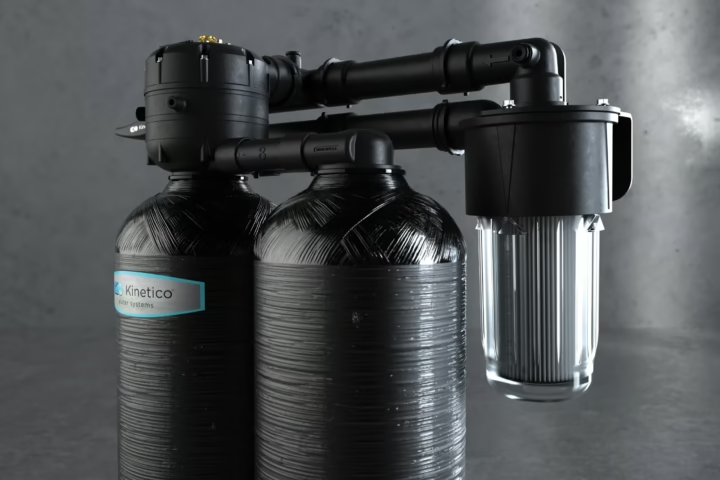
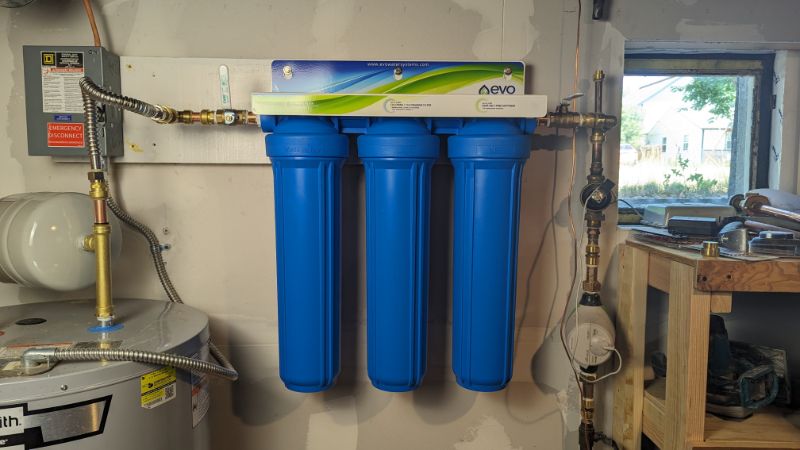
For homeowners who want to address water quality at multiple taps, whole-home water systems can provide a convenient approach. These systems are generally installed where the main water supply enters the property, allowing treated water to reach several fixtures and appliances.
The specific benefits depend on the type of equipment installed. A sediment filter may help capture particles, while other filtration media can target certain substances that affect taste, odor, or water quality. Some properties may require a combination of treatment stages to address more than one concern.
Imagine walking into a bathroom and finding mineral residue around the showerhead, then noticing similar deposits on the kitchen faucet. If the issue affects the entire property, treating water at a single drinking-water tap won’t resolve the buildup everywhere. A properly selected whole-house system may be more appropriate, depending on the water analysis and the problem involved.
However, these systems aren’t automatically necessary for every home. They can require additional installation space, plumbing modifications, and ongoing maintenance. Some treatment methods also affect water pressure or generate wastewater, so those factors should be considered before purchasing equipment.
A professional assessment can help determine whether whole-house treatment makes sense or whether a smaller, targeted solution would meet your needs just as well.
Understanding Hard Water and Its Effects
Hard water is a common household concern caused primarily by dissolved calcium and magnesium. These minerals aren’t usually a health concern at typical drinking-water concentrations, but they can create practical annoyances around the home.
You may notice white deposits on faucets, spots on dishes, or soap that doesn’t lather as easily as expected. Scale can also accumulate inside water heaters and other equipment, potentially affecting efficiency and maintenance needs over time.
This is where water softeners can be useful. Most conventional residential softeners use an ion-exchange process to reduce calcium and magnesium, replacing them with sodium or potassium ions. By lowering water hardness, these systems can help reduce scale formation and make cleaning tasks easier.
Choosing the right size matters. A unit that’s too small for a household’s water use and hardness level may need frequent regeneration, while an oversized system may add unnecessary expense. Household size, daily water consumption, and measured hardness all help determine the appropriate capacity.
It’s also worth understanding that softening and filtration are different processes. A water softener isn’t designed to remove every contaminant, and softened water may still require additional treatment if testing identifies other concerns. People following a sodium-restricted diet should discuss the sodium contribution from ion-exchange softening with an appropriate healthcare professional or water treatment specialist.
The best results come from matching the equipment to the actual water conditions rather than expecting one product to solve every possible problem.
Improving Drinking Water at the Kitchen Tap
Sometimes the main concern isn’t the shower or laundry. It’s the water people drink and use to prepare food. A household may want to reduce an unpleasant taste, address a particular dissolved substance, or add a dedicated treatment stage for drinking water.
In these situations, reverse osmosis drinking water systems may be worth considering. Reverse osmosis uses a semipermeable membrane to reduce many dissolved substances as water passes through it. Residential systems commonly combine the membrane with other treatment stages, such as sediment and carbon filters.
These systems are often installed beneath the kitchen sink and connected to a separate drinking-water faucet. Some models include a storage tank, while others use different designs. Their performance depends on the unit, water conditions, maintenance, and the substances being targeted.
Reverse osmosis can reduce many dissolved contaminants, but no system should be assumed to remove everything. Check the manufacturer’s performance data and relevant independent certifications to confirm that the model is tested for the specific substances of concern.
There are practical considerations, too. Filters and membranes require periodic replacement, and conventional systems may send some water to the drain during operation. Water pressure, available cabinet space, and the cost of replacement components should all factor into the decision.
For some homes, a certified carbon filter may adequately address taste and odor concerns without the additional complexity of reverse osmosis. The choice should depend on the water quality results and the outcome the household wants to achieve.
Why Water Testing Should Come Before Equipment
Water that looks clear isn’t necessarily free from unwanted substances. Likewise, an unusual taste doesn’t automatically mean the water is unsafe. Testing provides more useful information than appearance alone.
For municipal supplies, homeowners can review the local water utility’s quality report and consider additional testing if there are concerns about plumbing or changes in the water. People using private wells may need regular testing based on local guidance, especially for bacteria, nitrates, and other regionally relevant contaminants.
A basic in-home assessment may help identify characteristics such as hardness or chlorine levels, but it may not provide a complete safety evaluation. When health-related contaminants are a concern, use a qualified laboratory and appropriate testing methods.
Once the results are available, choose equipment designed to address the identified issue. This approach helps avoid buying unnecessary systems or relying on products that cannot provide the required treatment.
Installation and Maintenance Matter
Even good equipment needs proper installation and regular care. Incorrect plumbing connections, unsuitable system capacity, or inadequate maintenance can affect performance and create avoidable problems.
Before installation, ask what modifications are required, whether a licensed professional is needed, and how long the work should take. Make sure the installer explains basic operation, maintenance intervals, and warranty conditions.
Afterward, follow the manufacturer’s instructions for filter changes, inspections, and other routine tasks. Keep records of service dates, and pay attention to changes in flow, taste, or system performance. If something seems unusual, investigate rather than assuming it will resolve itself.
It’s sensible to compare long-term costs as well as the purchase price. Replacement filters, salt, service visits, electricity, and water use can all affect the total expense over time.
Making a Choice That Works for Your Home
Better water doesn’t necessarily require the most expensive equipment or the most complicated installation. It requires a clear understanding of the problem, realistic expectations, and a treatment method suited to your circumstances.
Start by identifying what concerns you most. Use reliable testing where appropriate, compare systems based on their verified performance, and ask questions about maintenance before making a commitment. A reputable provider should explain the benefits and limitations without pressuring you into unnecessary upgrades.
Water plays a role in countless everyday routines, so improving its quality can be a worthwhile investment in comfort and convenience. With the right information and a system chosen for the right reasons, you can make a decision that supports your household today while remaining practical to maintain in the years ahead.