Living With Well Water: How to Keep Your Household Water Clean, Reliable, and Refreshing
 Admin
Published
DeskHome Services
There’s something appealing about having your own water supply. For many homeowners, particularly those living outside busy towns and cities, a private well offers a welcome sense of independence. But that independence comes with responsibilities. When the water develops an unpleasant smell, leaves rusty stains on bathroom fixtures, or suddenly becomes cloudy, there’s no municipal treatment facility managing the problem for you.
Properly designed well water treatment systems can help address a range of groundwater concerns, making household water more suitable for drinking, bathing, cooking, and everyday cleaning.
For homeowners across Virginia and Maryland, understanding the characteristics of groundwater is an important part of protecting their water supply and choosing treatment equipment that delivers meaningful results.
Why Well Water Quality Can Change Over Time
Groundwater isn’t necessarily consistent throughout the year. As water travels through soil and underground rock formations, it naturally collects minerals and other substances.
Calcium and magnesium contribute to hardness, while iron and manganese may cause discoloration or staining. Naturally occurring hydrogen sulfide can produce an unpleasant rotten egg smell.
Environmental conditions can influence water quality, too. Heavy rainfall, flooding, and nearby land activities may introduce additional concerns.
What’s particularly interesting is that two neighboring properties can have noticeably different groundwater characteristics.
Even if your well has provided pleasant-tasting water for years, regular testing remains worthwhile. Changes aren’t always obvious, especially when they involve contaminants that cannot be detected through taste, smell, or appearance.
Finding Treatment That Addresses Your Specific Water Problems
Buying a basic water filter might seem like an easy answer to groundwater concerns. Unfortunately, treating well water often requires a more thoughtful approach.
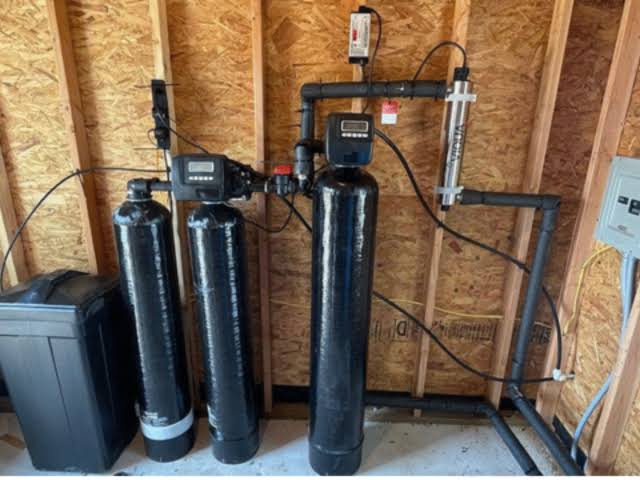
Effective solutions for the unique challenges of well water begin with identifying specific contaminants and selecting technologies capable of addressing them under the property’s actual water conditions.
For example, specialized iron reduction equipment may help prevent reddish stains from appearing around bathroom fixtures. Conventional water softening can address excessive hardness, while sediment filtration captures suspended particles.
Ultraviolet disinfection may be appropriate when testing identifies microbial concerns, provided the equipment receives suitable preliminary treatment and operates under appropriate conditions.
Every treatment method serves a particular purpose. Combining the right technologies is generally more valuable than installing equipment that promises to do everything.
Taking Responsibility for Your Household Water Supply
Unlike households connected to municipal water networks, owners of private wells are generally responsible for monitoring their own drinking water quality and maintaining the equipment that supports it.
That responsibility might sound demanding, but establishing a manageable testing routine makes it considerably easier.
Regular laboratory analysis can help identify microbial contamination, nitrates, and other relevant substances. Additional testing may be appropriate depending on local environmental conditions and previous results.
It’s especially important to investigate sudden changes in water appearance, taste, or odor.
Well maintenance also deserves attention. Damaged caps, inadequate drainage, or compromised well components can create opportunities for contamination.
Addressing these underlying problems is just as important as choosing suitable treatment equipment.
Dealing With the Frustrations of Iron and Hard Water
Anyone who has washed a favorite white shirt only to discover rusty discoloration understands how frustrating groundwater minerals can be.
Iron may leave reddish or orange stains on laundry, sinks, and bathtubs. Hardness minerals, meanwhile, contribute to chalky deposits around faucets and inside water-using appliances.
These problems require different treatment approaches, even when they occur simultaneously.
Specialized iron filtration can reduce iron under suitable conditions, while conventional ion exchange softeners remove dissolved hardness minerals.
Addressing these concerns may help simplify cleaning, improve soap performance, and limit certain mineral-related maintenance problems.
For many families, spending less time scrubbing bathroom fixtures is reason enough to investigate their water quality.
Choosing Equipment That Can Handle Everyday Household Demand
A suitable treatment system needs to do more than improve water quality. It also needs to accommodate the amount of water your household uses.
Think about a busy morning when someone is showering, breakfast is being prepared, and the washing machine is already running.
Undersized equipment may restrict water flow or require excessively frequent servicing.
Before purchasing a system, consider peak water consumption, well pump capacity, incoming pressure, available installation space, and maintenance expenses.
Ask about replacement components and ongoing servicing requirements, too.
A thoughtfully designed treatment arrangement should work comfortably alongside your existing plumbing and household routine.
Why Regular Maintenance Shouldn’t Be an Afterthought
Once treatment equipment is installed, it’s tempting to assume everything will continue working indefinitely.
But filters gradually accumulate debris, specialized media can lose effectiveness, and ultraviolet lamps require periodic replacement.
Salt-based softeners also need regular salt replenishment and appropriate servicing.
Following manufacturer maintenance recommendations helps preserve treatment performance and reduce avoidable equipment problems.
Keeping a simple record of servicing dates and laboratory testing results can make these responsibilities easier to manage.
Remember that improved water clarity or a more pleasant taste doesn’t automatically establish drinking water safety. Testing remains an essential part of responsible well ownership.
Enjoying the Benefits of a Well-Maintained Water Supply
Having your own well can be a rewarding experience when you understand how to manage it properly. Start with reliable testing, address any underlying well concerns, and choose treatment technologies that genuinely suit your property.
Better water quality can make ordinary household activities more enjoyable, from preparing a favorite meal to washing clothes or taking a relaxing evening shower.
Ultimately, maintaining a well isn’t just another item on the household maintenance checklist. It’s about looking after a resource that your family depends on every single day.
With the right knowledge, suitable equipment, and consistent care, you can approach well ownership with greater confidence and fewer unnecessary frustrations.