Is a Salt-Based Water Softener Right for Your Home? Here’s What You Should Know
 Admin
Published
DeskHome Services
There’s a good chance you’ve experienced the effects of hard water without realizing what was behind them. Perhaps your freshly washed towels feel stiff, your showerhead develops a chalky coating, or your kitchen faucet never seems to stay clean. These little annoyances can become surprisingly frustrating when you’re dealing with them week after week.
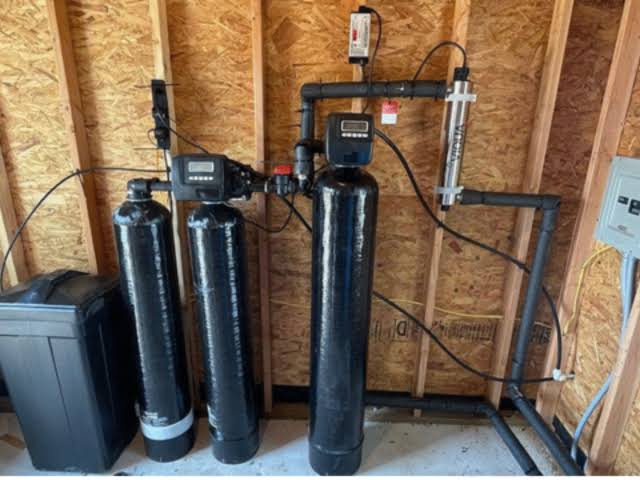
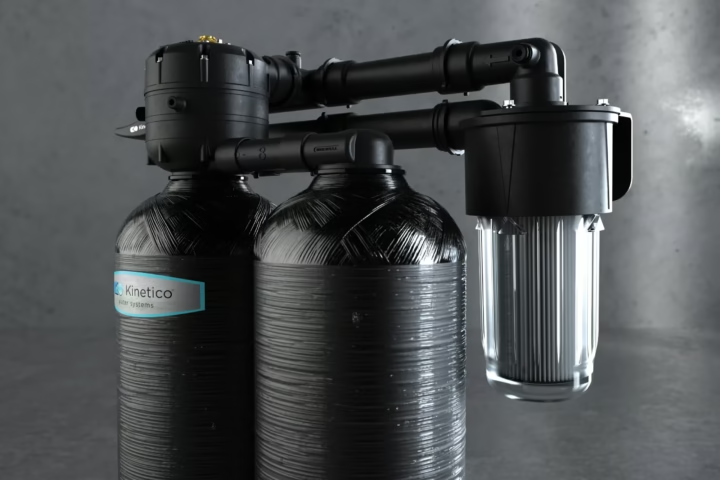
Installing a salt based water softener can help address the underlying cause of these problems by reducing the dissolved minerals responsible for excessive water hardness.
However, purchasing treatment equipment isn’t a decision to rush into. Understanding how softening works, what maintenance involves, and which system suits your household can help you make an investment that genuinely improves everyday life.
Why Hard Water Creates Problems Around the House
Hard water contains relatively high concentrations of calcium and magnesium. These minerals occur naturally as water travels through soil and underground rock formations.
When water evaporates, it can leave mineral deposits behind. That’s why you might notice white marks around bathroom faucets or a cloudy coating across your glass shower screen.
The bigger concern is what happens in places you can’t easily see. Mineral scale may gradually accumulate inside water heaters and other appliances, potentially affecting their performance.
Hardness can also interfere with the effectiveness of certain soaps and detergents.
While regular cleaning helps remove visible deposits, it doesn’t prevent fresh minerals from entering your plumbing. Addressing the original water conditions offers a more practical long-term approach.
How Salt-Based Water Softening Actually Works
Conventional softening systems operate through a process known as ion exchange. It sounds complicated, but the underlying principle is fairly simple.
Inside the equipment, a tank contains specialized resin beads that attract calcium and magnesium ions. As water passes through the resin, these hardness minerals are exchanged for sodium or potassium ions.
Eventually, the resin reaches its treatment capacity. A concentrated salt solution restores its ability to soften incoming water through a process called regeneration.
Many modern systems regenerate according to measured water consumption, helping avoid unnecessary operating expenses when properly configured.
The result is water with reduced hardness that can travel throughout connected household plumbing.
Why Proper Installation and Ongoing Service Matter
Even dependable equipment can become frustrating if it isn’t installed correctly. Water pressure, plumbing connections, drainage arrangements, and equipment capacity all deserve consideration.
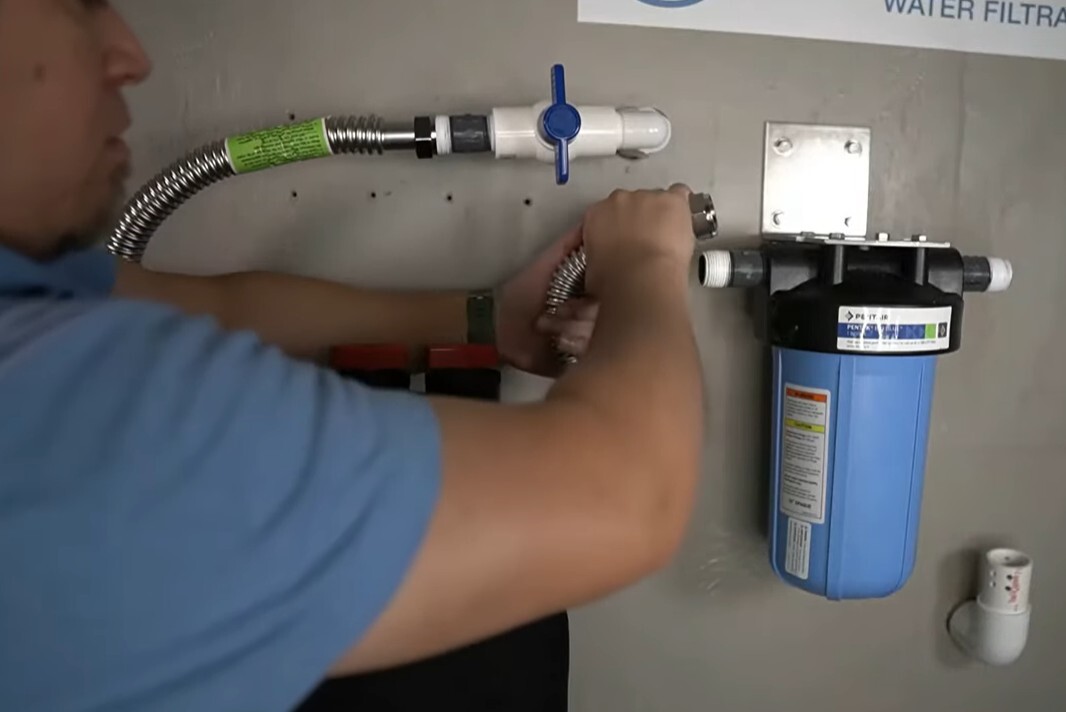
Professional water softener installation and service can help homeowners establish an appropriately configured system and understand the maintenance required to keep it operating effectively.
Before installation, a technician should consider measured water hardness and typical household consumption.
It’s also worth discussing where the equipment will be positioned. You’ll need enough room to replenish salt and access components for routine servicing without struggling through a cramped utility area.
Ask questions during installation, too. Understanding how to operate your equipment from the beginning can save plenty of confusion later.
Finding the Right Approach to Household Water Treatment
Not every home experiences identical water quality concerns. Some families struggle primarily with mineral deposits, while others also notice unusual tastes, sediment, or iron-related staining.
Effective residential water conditioning begins with identifying these individual concerns and selecting treatment technologies that address them appropriately.
Traditional softening physically reduces dissolved hardness minerals. Certain salt-free conditioning products, meanwhile, aim to manage scale formation without actually removing those minerals.
The distinction matters because these technologies don’t necessarily provide the same results.
Additional filtration may also be appropriate when testing identifies separate water quality concerns.
Rather than purchasing equipment based on attractive advertising, consider what improvements would genuinely benefit your household.
Discovering the Everyday Advantages of Softer Water
One of the nicest things about water softening is how its benefits can gradually become part of ordinary life.
Your bathroom fixtures may remain cleaner for longer. Soap generally lathers more readily, and washing dishes might involve less frustration over mineral spots.
Laundry detergent requirements can change as well, making it worthwhile to review how much product you’re using.
Some homeowners find that softened water feels slightly slippery during bathing. It’s perfectly different from what they might be accustomed to, and adjusting to that sensation can take time.
Then there’s the possibility of spending less of your weekend tackling stubborn limescale. That alone is an appealing prospect for many busy households.
Protecting Appliances Without Overlooking Maintenance
Dishwashers, washing machines, and water heaters aren’t inexpensive household purchases. Looking after them properly makes financial sense.
Reducing excessive hardness can help limit future scale accumulation inside certain appliances. However, existing deposits may still require separate cleaning or professional servicing.
Water softeners themselves also need some attention.
Check salt levels periodically, follow manufacturer maintenance recommendations, and investigate unexpected changes in treatment performance.
Before purchasing equipment, consider ongoing salt expenses, regeneration water consumption, and servicing costs.
Remember, too, that softening isn’t comprehensive drinking water purification. Households following medically prescribed sodium restrictions should discuss softened drinking water with an appropriate healthcare professional.
Making a Practical Investment in Your Home
Choosing a water softener doesn’t need to become an overwhelming home improvement project.
Begin with reliable water testing, compare appropriately sized equipment, and establish a maintenance routine that fits comfortably into your schedule.
The real appeal of softer water often lies in everyday experiences rather than dramatic transformations. Fewer mineral deposits, easier cleaning, and improved soap performance can make familiar household responsibilities more manageable.
And when you consider how often your family uses water throughout the day, addressing excessive hardness starts to feel less like a luxury and more like a sensible investment in a comfortable, well-maintained home.