A Better Glass of Water: Understanding Reverse Osmosis at Home
 Admin
Published
DeskHome Services
Admin
Published
DeskHome Services
There’s something oddly satisfying about a glass of cold water that tastes clean and fresh. No strange aftertaste, no lingering smell, no wondering whether the faucet needs a filter. Just water.
For many households, getting that kind of drinking water takes more than simply turning on the tap. Municipal water is treated before it reaches your home, but it can still contain minerals, chlorine, sediment, and other dissolved substances. Private well water can have its own set of challenges.
That’s where home water filtration becomes useful. Among the options available, reverse osmosis has become popular because it can reduce a broad range of dissolved contaminants through a carefully designed filtration process.
Still, buying a system shouldn’t be an impulse decision. Understanding how the technology works—and what it can and cannot do—is much more useful.
What Is Reverse Osmosis?
At its simplest, reverse osmosis uses pressure to push water through a semipermeable membrane.
The membrane has extremely small pores. Water molecules can pass through, while many dissolved substances and contaminants are rejected. The treated water is collected separately, while the concentrated wastewater is sent down the drain.
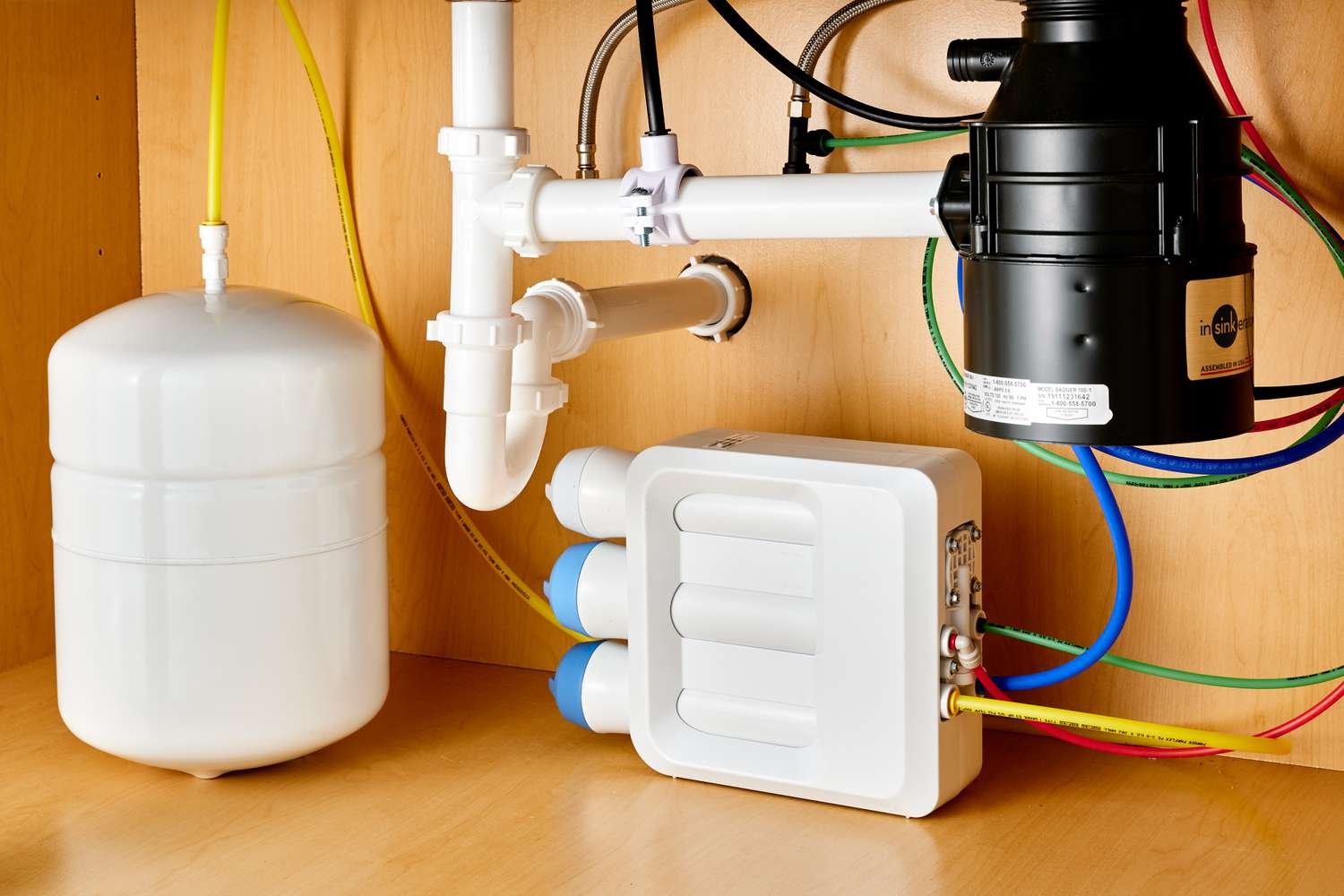
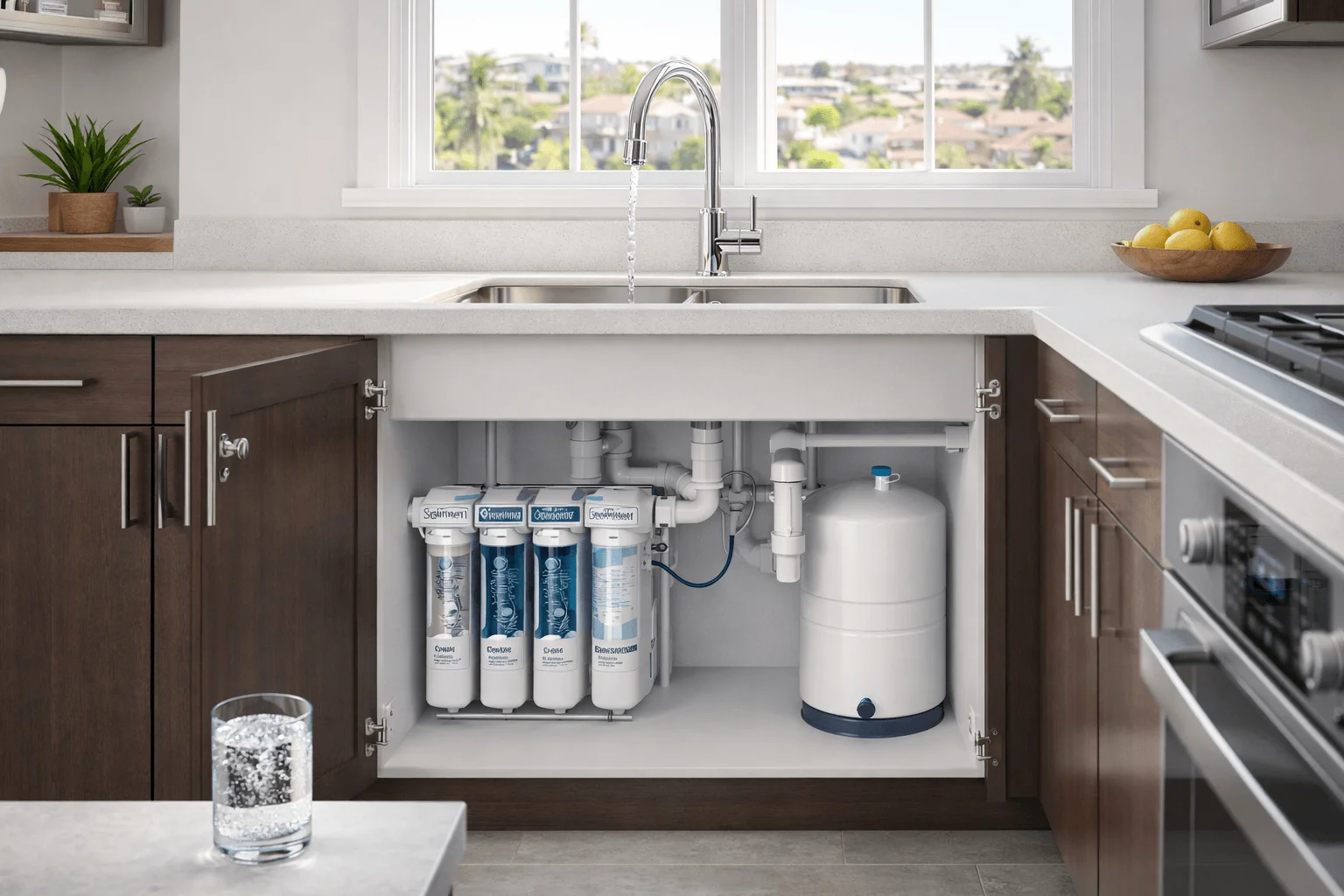
Modern reverse osmosis water systems typically include several filtration stages before water reaches the membrane. This matters because the membrane performs better when larger particles and certain chemicals have already been reduced.
The technology sounds complicated at first, but the basic idea isn’t difficult: filter the water in stages, then use a specialized membrane to reduce many dissolved substances.
Why Multiple Filtration Stages Matter
A reverse osmosis system is rarely just one filter.
Most household units use multi-stage filtration to give each component a particular job. A sediment filter may capture dirt and suspended particles. A carbon filter can reduce chlorine and improve taste and odor. Then the reverse osmosis membrane handles many dissolved substances that ordinary filters may not remove.
Some systems add additional post-filters or specialty cartridges. The exact configuration varies by manufacturer and water quality.
This staged approach is useful because no single filter has to do everything. It’s a bit like having several people handle different jobs instead of asking one person to do the entire project.
What Can Reverse Osmosis Reduce?
One reason reverse osmosis is attractive is its ability to reduce many dissolved substances.
Depending on the system and membrane, reverse osmosis can reduce certain salts, minerals, metals, and other dissolved contaminants. The actual performance depends on water conditions, membrane quality, pressure, maintenance, and system design.
That’s why marketing claims should be considered carefully.
A reliable manufacturer should provide information about what the system is tested to reduce. If you’re concerned about a specific contaminant, look for performance data rather than assuming that every RO system handles every substance equally well.
Water testing can make this process much easier.
Better Taste Can Be an Unexpected Benefit
Not every homeowner installs an RO system because of a serious water-quality concern. Sometimes, taste is the main reason.
Chlorine, certain minerals, and other dissolved substances can influence the flavor and smell of tap water. When these are reduced, many people find the resulting water more pleasant to drink.
That can have a simple household benefit: people may drink more water when they actually enjoy the taste.
Coffee and tea can also taste different when made with treated water. If you’re someone who notices subtle changes in your morning cup, you’ll probably appreciate this more than most.
Is Reverse Osmosis Necessary for Everyone?
No.
That’s worth saying clearly.
If your water is already high quality and you have no particular concerns about taste or contaminants, a complex RO system may be unnecessary.
On the other hand, if testing shows dissolved contaminants that the system is designed to reduce, or you simply want an additional level of drinking-water treatment, reverse osmosis may be a sensible option.
The best treatment system is the one that matches your actual needs. More equipment doesn’t automatically mean better water.
What About Wastewater?
Reverse osmosis does produce wastewater. This is one of the trade-offs homeowners should understand before installation.
During the filtration process, some water carries the rejected contaminants away from the membrane. Older systems could be relatively inefficient, while newer models can be designed to reduce the amount of wastewater produced.
When comparing systems, ask about their water-efficiency ratio. Don’t focus only on the number of filtration stages or the appearance of the equipment.
Over several years, water efficiency can make a meaningful difference.
Maintenance Is Part of the Deal
An RO system needs regular attention.
Pre-filters and post-filters must be replaced according to the manufacturer’s recommendations. The membrane also has a service life and may eventually need replacement.
Neglecting maintenance can affect taste, flow rate, and overall performance.
The good news is that routine maintenance is generally manageable. Keep a record of replacement dates, and don’t wait until the water tastes strange before checking the filters.
A little organization goes a long way here.
Choosing the Right System for Your Home
Before purchasing, consider your water source, household size, available installation space, and drinking-water needs.
If possible, have your water tested first. This gives you a clearer picture of which treatment stages are useful.
Also compare storage-tank capacity, filtration performance, replacement filter costs, wastewater production, installation requirements, and warranty coverage.
And don’t overlook the faucet. A quality system deserves a properly installed, durable dispensing faucet that fits comfortably into your kitchen.
The Goal Is Simple: Better Drinking Water
At the end of the day, all the technical details point toward one simple goal: pure, clean drinking water that’s pleasant to use every day.
Reverse osmosis can be an excellent tool for achieving that goal, but it isn’t a magic solution for every water problem. Its effectiveness depends on choosing the right system, installing it correctly, and maintaining it properly.
Start with information rather than assumptions. Test your water, understand what you want to improve, and compare systems based on real performance instead of flashy claims.
A good water-treatment system shouldn’t make your life more complicated. Ideally, you turn on the faucet, fill your glass, take a sip—and don’t have to think about the technology working quietly underneath it all.