How Better Water Quality Can Make Everyday Home Life Easier
 Admin
Published
DeskHome Services
Admin
Published
DeskHome Services
Water is involved in almost everything we do at home, yet it rarely gets much attention until there’s a problem. A glass of tap water tastes strange. Soap doesn’t seem to lather properly. White spots appear on the shower door, and somehow the bathroom faucet looks dirty again two days after you’ve cleaned it.
These little annoyances can add up.
For many households, improving water quality isn’t simply about drinking water. The right treatment approach can also make cleaning easier, help protect plumbing and appliances from mineral buildup, and change the way everyday products such as soap and shampoo perform.
The first step, though, is understanding what’s actually happening with your water.
Start by Understanding Hard Water
Hard water contains dissolved minerals, particularly calcium and magnesium. These minerals aren’t necessarily a sign that water is unsafe, but they can create plenty of household frustrations.
You may notice scale around faucets, spots on dishes, or a chalky film on shower surfaces. Soap can also react with hardness minerals, making it harder to create the rich lather you expect.
This is one reason some homeowners explore water softening. By reducing hardness minerals, a properly sized softener can change how water behaves throughout the home.
The difference isn’t always dramatic on the first day, but over time, you may notice fewer deposits and easier cleaning.
How Softer Water Can Affect Soap Use
One of the interesting things about hard water is its relationship with soap.
When soap interacts with calcium and magnesium, some of it can form an insoluble residue rather than simply rinsing away. That can leave behind a film on skin, fixtures, or shower surfaces.
With appropriately softened water, you may find that you don’t need to use quite as much soap to achieve the same level of lather.
That can mean reduced soap consumption over time. It’s not necessarily about using dramatically less product overnight. Rather, small changes in everyday usage can add up across months.
Shampoo Can Be Part of the Equation Too
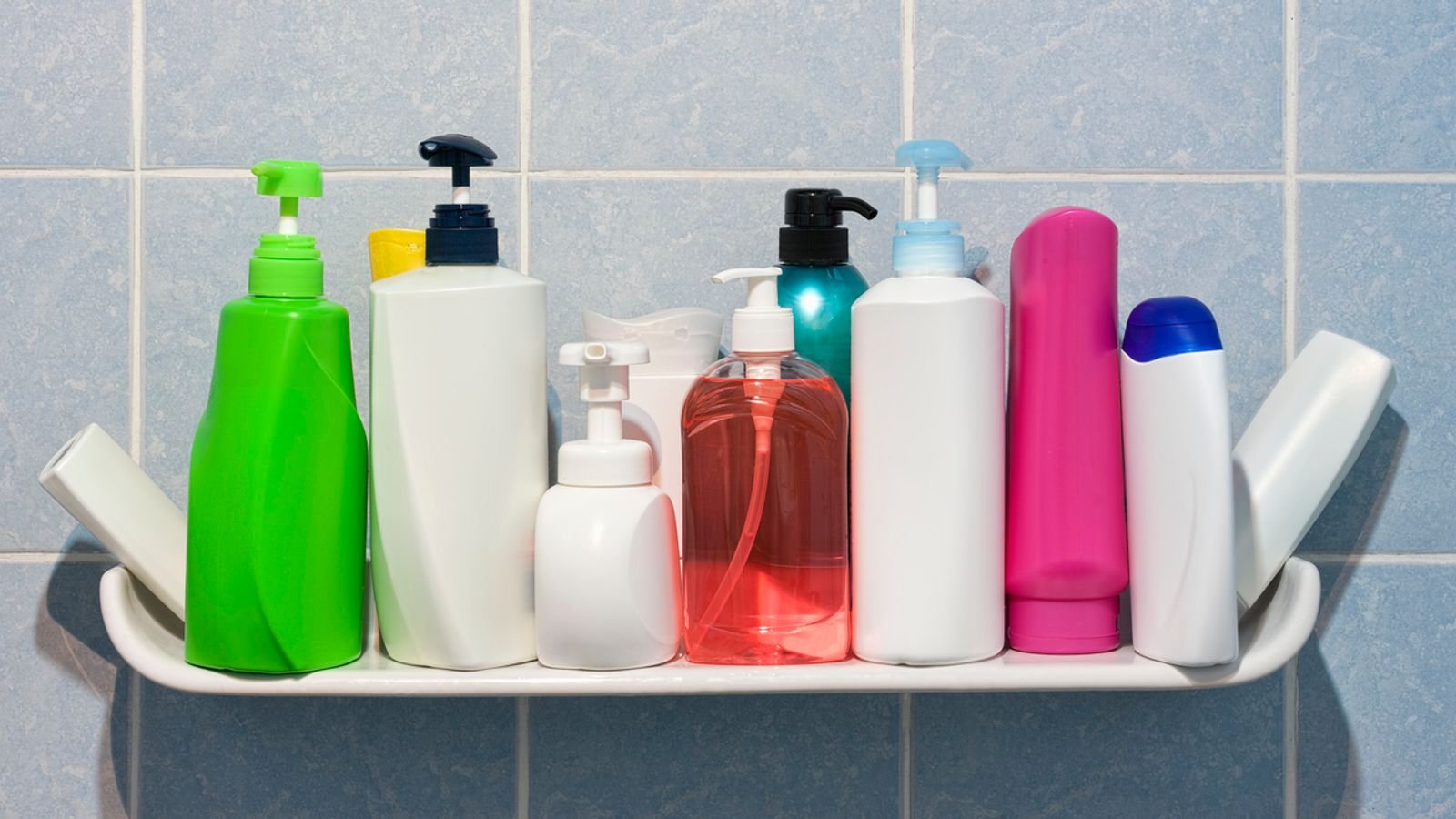
The same basic idea can apply to personal-care products.
Hard water may make shampoo and other cleansing products feel different during washing. Some people notice that their hair doesn’t feel as clean or rinsed afterward, while others simply dislike the way the water feels.
When water is softer, products may lather differently and rinse more easily.
This doesn’t mean softened water automatically fixes every hair or skin concern—those are much more personal and can have many causes—but water quality can certainly influence the everyday washing experience.
Potential Savings Go Beyond the Water Bill
When people think about saving money with water treatment, they often focus on the water itself.
But the bigger picture can include household products and maintenance.
If softer water helps you use less soap, detergent, or shampoo, those savings may accumulate gradually. You may also spend less time scrubbing mineral deposits from fixtures and surfaces.
Over time, cleaner & shampoo costs may become one of the smaller but noticeable benefits of addressing hard water.
Of course, actual savings depend on household size, water hardness, product usage, and the type of treatment system installed. It’s better to think of these as potential efficiencies rather than guaranteed savings.
What About Drinking Water?
Softening and drinking-water filtration are not the same thing.
A water softener primarily addresses hardness minerals. If your main concern is taste, odor, sediment, or a specific dissolved substance, you may need a different type of treatment.
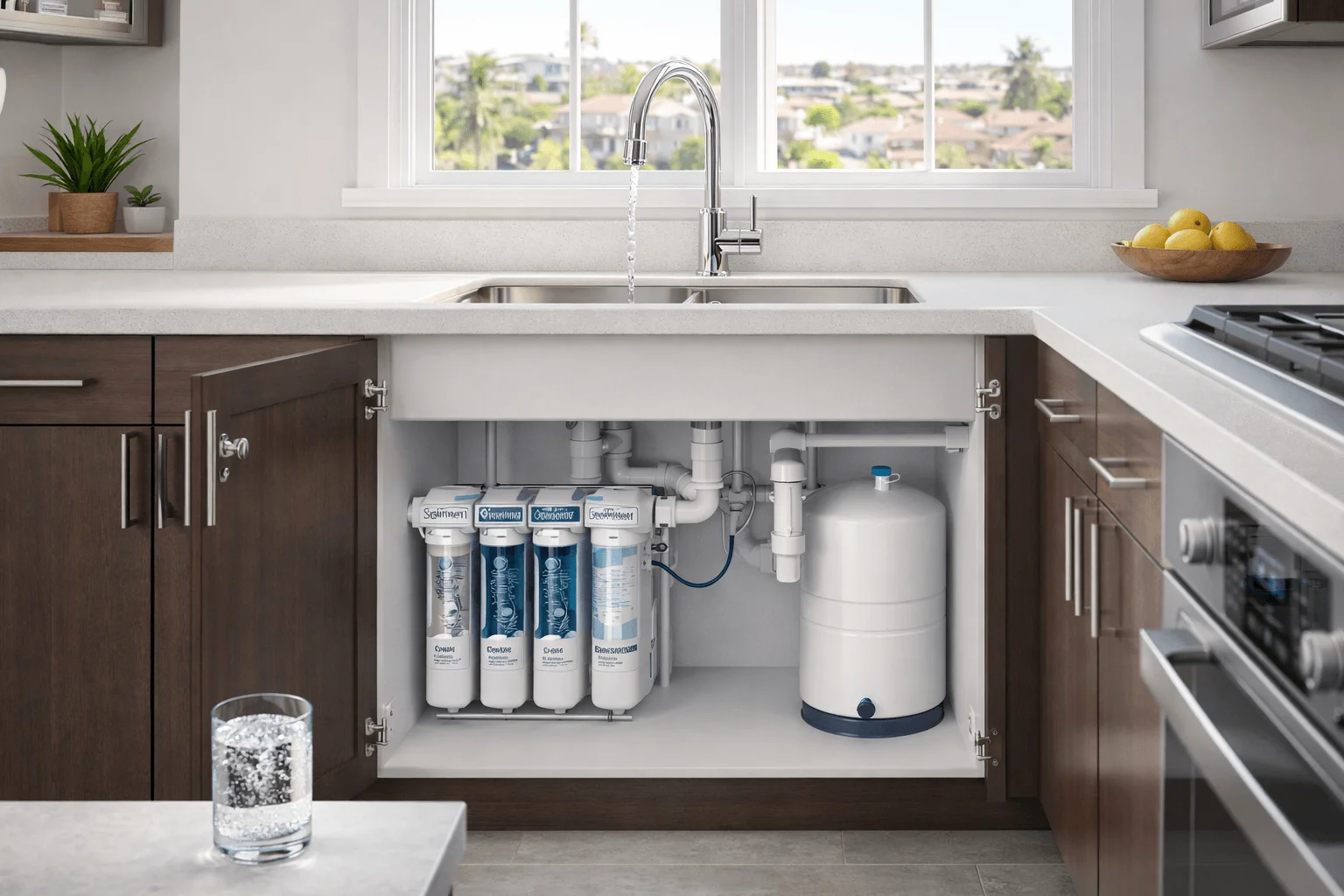
Point-of-use filtration, activated carbon, or reverse osmosis may be appropriate depending on the water quality and what you want to reduce.
Testing your water before choosing equipment can help prevent unnecessary purchases.
After all, there’s no reason to install a complicated treatment system if a simpler solution addresses the actual problem.
Healthy Water Starts With Testing
Everyone wants healthy water in their home, but it’s important to be specific about what that means.
Clear water isn’t necessarily proof that every possible substance is absent, and unusual-looking water isn’t automatically dangerous. Water quality needs to be evaluated based on actual testing and the source of the water.
Private well owners, in particular, may benefit from regular testing because groundwater conditions can change.
If a test identifies a particular concern, choose treatment equipment that is specifically designed and appropriately tested for that issue.
This approach is much more reliable than buying a filter based on a broad marketing claim.
Cleaner Showers Can Be a Nice Bonus
Hard water can leave mineral deposits on showerheads, glass doors, faucets, and tile.
If you’ve ever cleaned a shower only to see cloudy spots return almost immediately, you know how frustrating it can be.
Reducing hardness can help minimize scale formation. You may still need to clean the bathroom, of course—there’s no magic button for that—but the buildup may become easier to manage.
And honestly, anything that makes cleaning day slightly less annoying is worth considering.
Protecting Household Appliances
Water quality can also influence appliances that regularly use water.
Hardness minerals can contribute to scale buildup inside equipment such as water heaters, dishwashers, washing machines, and other water-using appliances.
The effect depends on the appliance, water conditions, temperature, and usage patterns, so it isn’t accurate to promise that softening will eliminate every maintenance problem.
Still, reducing excessive hardness can be part of a broader strategy for managing mineral buildup throughout the home.
Choose Treatment Based on Your Needs
There isn’t one perfect water treatment solution for every household.
Some homes may benefit from a water softener. Others may need drinking-water filtration, while some may require a combination of technologies.
The right choice depends on your water source, test results, household size, and priorities.
Before buying anything, ask what the system is designed to treat, how often it needs maintenance, and what replacement components cost.
A good provider should explain these details without making the conversation unnecessarily complicated.
Maintenance Makes the Difference
Whatever system you choose, remember that maintenance is part of the deal.
Filters need replacement. Softener systems may need salt. Components may require periodic inspection or cleaning.
Skipping maintenance can reduce performance and potentially shorten the useful life of the equipment.
Keep a simple schedule and set reminders for filter replacements or service appointments. It’s a small effort, but it helps keep the system doing what you paid for.
A More Comfortable Home Starts With Small Improvements
Water treatment isn’t about making your home perfect. It’s about addressing real problems and making everyday routines a little easier.
If hard water is causing scale, soap residue, or frustrating cleaning chores, the right treatment can make a noticeable difference. If drinking-water quality is your concern, testing can help you identify an appropriate filtration approach.
And sometimes the biggest benefits aren’t dramatic. They’re the small things: less scrubbing, easier showers, better-tasting water, and fewer reminders that your water isn’t quite working for you.
That’s ultimately what good water treatment should provide—a practical improvement that quietly makes home life more comfortable, one ordinary day at a time.