When Water Starts Feeling Different: A Warm, Honest Look at TDS and Why It Matters More Than You Think
 Admin
Published
DeskHome Services
Admin
Published
DeskHome Services
It’s strange how something as simple as water can suddenly become a topic you care about. Most of us grow up drinking whatever flows from the tap without a second thought. But then one day, maybe while cleaning the kettle or pouring a glass at night, you notice the taste feels off… or the texture feels heavier… or the glass dries with tiny white spots.
And you catch yourself thinking, Is something happening to my water?
That little spark of curiosity — the one that nudges you into checking your water quality — is how most people begin learning about TDS. It doesn’t happen dramatically. It happens quietly, through everyday moments.
That First Real Question Everyone Eventually Googles
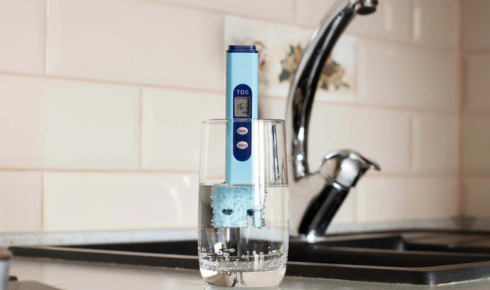
The journey usually starts with a simple search like tds water, often triggered by a digital reading on a TDS meter someone bought from Amazon out of pure curiosity. You dip it in, watch numbers flash on the screen, and suddenly you’re aware that your water contains more than just… water.
But here’s where it gets tricky: seeing a number doesn’t explain much. A 70 means something. A 600 means something else. But on their own, the numbers feel mysterious — almost like your water is telling you a secret in a language you haven’t learned yet.
Breaking Down the Basics: What TDS Actually Means
Eventually, someone always asks the foundational question: what is tds in water, and why does it matter?
TDS stands for Total Dissolved Solids — a measurement of everything in your water that isn’t pure H₂O. These dissolved solids can include minerals like calcium and magnesium, bits of organic material, salts from treatment processes, or tiny particles picked up from pipes and soil.
The concept isn’t complex, but the way it affects your home and daily life can be surprisingly real.
TDS Isn’t About Good or Bad — It’s About Information
It’s important to understand that TDS isn’t a villain or a hero. It doesn’t classify substances as harmful or beneficial. It simply counts them. What matters is which solids are dissolved, not the raw number alone.
A higher TDS might mean your water has lots of natural minerals — something that can actually taste great. A lower TDS usually indicates filtered or purified water, which may taste very clean but sometimes a little “empty.” People have preferences, just like with coffee or tea.
In other words, TDS gives context, not judgment.
How TDS Impacts the Way Water Tastes
Taste is where people first feel the impact of TDS.
High-mineral water tastes fuller, slightly sweet or earthy.
Very low-TDS water tastes extremely clean but sometimes too flat.
Medium-TDS water usually tastes balanced — neither too intense nor too empty.
This is why bottled water brands taste different even when they look identical on the shelf. Each one has a different mineral composition contributing to its TDS.
Your tastebuds, without you realizing, have been noticing TDS all along.
The Hidden Clues Around Your Home
Water quality doesn’t just show up in flavor — it leaves hints everywhere. And those hints are often what push homeowners to start researching. You might notice:
- the kettle builds up white residue
- the shower glass stays foggy
- dishes dry with spots
- laundry feels stiff
- hair feels dull after washing
- plants act strangely with tap water
Each sign alone seems harmless. But when several show up together, TDS becomes a likely suspect.
Understanding TDS Makes You See Your Home Differently
Once you understand the tds in water meaning, ordinary things suddenly make sense. The mineral buildup, the taste changes, the appliance issues — they all connect to the dissolved solids present in your water.
This awareness doesn’t create paranoia. It creates clarity.
You begin to understand that water carries stories from the environment, from treatment facilities, from pipes, and from nature itself. And your home reacts accordingly.
Why TDS Levels Differ Everywhere
Your friend in another city may swear their tap water tastes amazing while yours tastes metallic. Someone else might love their filtered water while others find it too bland. These differences often come from TDS variations caused by:
- source water (groundwater vs. river vs. reservoir)
- minerals in the soil
- treatment chemicals
- aging infrastructure
- blending of multiple water sources
- seasonal changes
It’s not weird — it’s geography, chemistry, and infrastructure all working together.
How TDS Influences Your Filtration Choices
Understanding TDS gives you the power to choose the right filtration system.
- If your TDS is high because of minerals, you may need a softener.
- If it’s high because of unwanted contaminants, RO is often the better option.
- If your TDS is low but your water tastes flat, you might consider remineralization.
Instead of guessing which filter to buy, TDS helps narrow the options with logic instead of panic.
When TDS Becomes Part of Your Wellness Routine
A lot of people now check their TDS the way others check their step count. It’s not obsessive — it’s thoughtful. Understanding your water helps you understand what you’re putting into your body every single day.
Drinking water is one of the most frequent habits of your life, and knowing more about it can feel empowering rather than overwhelming.
And honestly? It’s nice to feel a little more connected to something so essential.
A Calm Ending Thought
Water is simple, but the story it carries isn’t. TDS helps decode that story — giving you a peek into what your water picked up on its journey to your tap or bottle. It won’t give you every answer, but it gives you the right questions to ask.