Water That Works for You: Why Customization Matters More Than Ever in Today’s Systems
 Admin
Published
DeskHome Services
Admin
Published
DeskHome Services
It’s easy to take water for granted. You twist the tap, and there it is—reliable, clear, cold (or hot, if you’re lucky). But behind every smooth-flowing system is a bit more complexity than most of us stop to think about. Not all water is created equal, and not all homes, businesses, or properties have the same needs. That’s why off-the-shelf fixes often leave people frustrated.
Whether you’re running a small farm, managing a growing home, or just trying to reduce build-up in your pipes, the truth is, one-size-fits-all just doesn’t cut it anymore. And that’s exactly where tailored water solutions come in—smart, custom-designed systems that match your specific situation rather than forcing your needs to match the system.
Let’s dive into what that actually means, and why it matters more than ever.
Every Property Tells a Different Story
No two homes are exactly alike—and neither are their water sources. Some draw from deep aquifers, others rely on shallow wells or municipal supplies. And the water itself? It could be rich in iron, full of sediment, unusually hard, or just slightly off in taste.
You might be dealing with high water usage thanks to a large garden, livestock, or a multi-generational household. Or maybe your water is technically “safe,” but leaves calcium residue all over your fixtures. That’s where a cookie-cutter filter or pump system will fall short—because it wasn’t built for you.
Tailored water solutions take all those variables into account. They begin with testing—real data from your source—and lead to a system designed to fit your daily use, your plumbing layout, and your long-term goals. It’s not just about clean water—it’s about your water, cleaned the right way.
The Right Water Solution Is More Than Just a Filter
When people hear “water solution,” they often picture a simple under-sink filter or one of those countertop gadgets. But real water solution design goes way deeper.
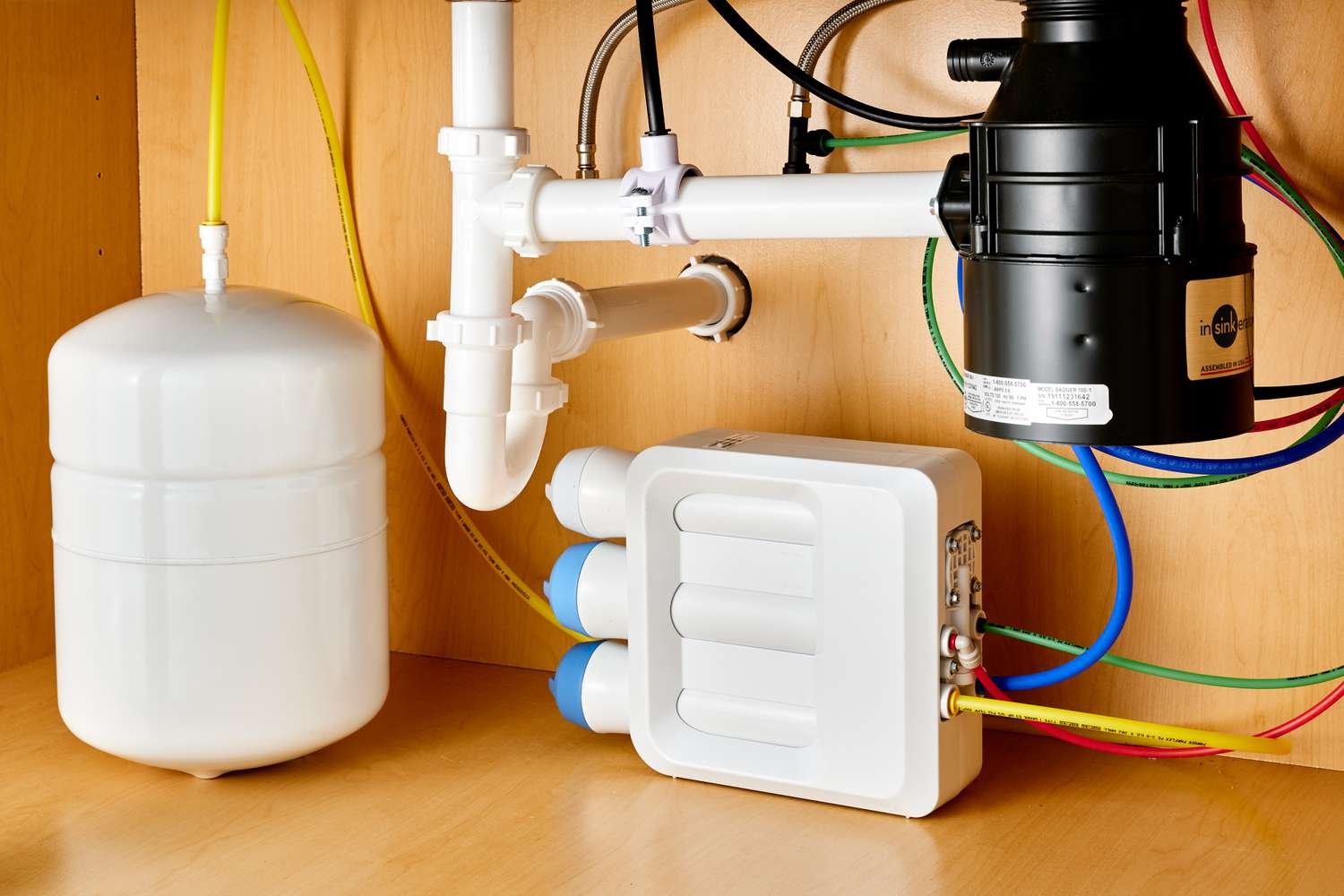
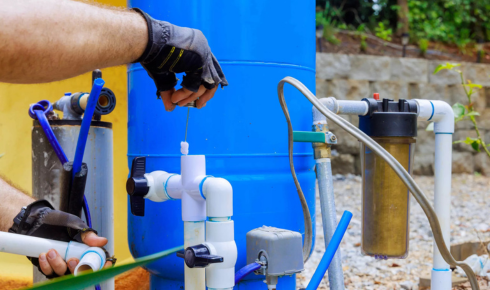
It might include whole-house filtration, softeners, UV purification, pressure management, and system monitoring. It might involve combining well water with rain catchment. Or installing backflow preventers for irrigation systems that share a line with potable water.
Sometimes it’s about safety—killing bacteria or removing heavy metals. Other times, it’s about longevity—protecting your appliances, plumbing, and fixtures from premature failure caused by untreated water.
Smart design means you don’t pay for features you don’t need—but you’re covered where it counts. And when done right? The water tastes better, works better, and gives you one less thing to worry about.
Don’t Skip the Well Work—That’s the Foundation
If you’re sourcing your water from a well, everything starts underground. Proper well work is the quiet MVP of any water system. It’s easy to overlook if everything seems fine, but the truth is, your well needs just as much attention as the fixtures it feeds.
Routine maintenance like flushing the system, testing for contaminants, inspecting the pump, and checking the flow rate keeps everything running as it should. And if you’re just getting started? Choosing the right depth, casing material, and location can save you a ton of trouble later.
Many people think drilling a well is a one-and-done job. But a poorly installed or aging system can lead to sudden outages, contamination, or declining performance over time. Taking care of the source is what lets the rest of the system shine.
Matching Tech to the Terrain
Modern water tech is better than ever—but it only works when it’s used with intent. Installing a high-end filter in the wrong spot or using a pump that’s too powerful (or not powerful enough) leads to problems that no instruction manual will fix.
Here’s where working with someone who actually understands your land, your water, and your usage habits can make all the difference. You might discover that your iron-rich water needs a different type of media filter than your neighbor’s calcium-heavy supply. Or that your pressure tank isn’t sized properly for your family’s needs.
Matching equipment to environment—rather than chasing trends or chasing low prices—is the difference between a water system you never have to think about and one that’s constantly causing frustration.
Future-Proofing Your Water Setup
Water demands change over time. You might add an outdoor shower. Build an ADU. Plant a vineyard. All of a sudden, the system that once worked fine is under strain.
That’s why smart water planning should always leave room to grow. Expansion ports, flexible plumbing layouts, and scalable filtration systems let your setup adapt without needing a full overhaul every few years.
A good water system shouldn’t just solve today’s problems. It should be ready for tomorrow’s plans—even the ones you haven’t made yet.
In the End, Water Should Feel Easy
The best water systems are the ones you never think about. The ones that just work. Clean. Consistent. Reliable. You don’t have to worry about buildup in the shower, funny tastes in your glass, or whether the pump will die during a drought.
And that peace of mind doesn’t come from guessing. It comes from thoughtful design, real testing, proper installation, and good maintenance.
So if you’re building, upgrading, or just tired of dealing with constant water quirks—maybe it’s time to stop settling for average. You don’t need the flashiest system. You need the right one. Built for your home. Your land. Your water.