
Let’s be honest — most of us don’t give much thought to the water flowing out of our kitchen tap. It’s there, it looks clear, and we assume it’s safe. But beneath that innocent transparency could lie a cocktail of chemicals, minerals, and microscopic intruders we’d rather not think about. That’s where water filtration systems come into play — not just as fancy add-ons for health enthusiasts, but as practical, long-term upgrades for anyone who cares about what goes into their body.
Let’s explore three popular water treatment options — each serving a unique purpose — and walk through them like we’re chatting over coffee.
The Underrated Power of Reverse Osmosis Setups
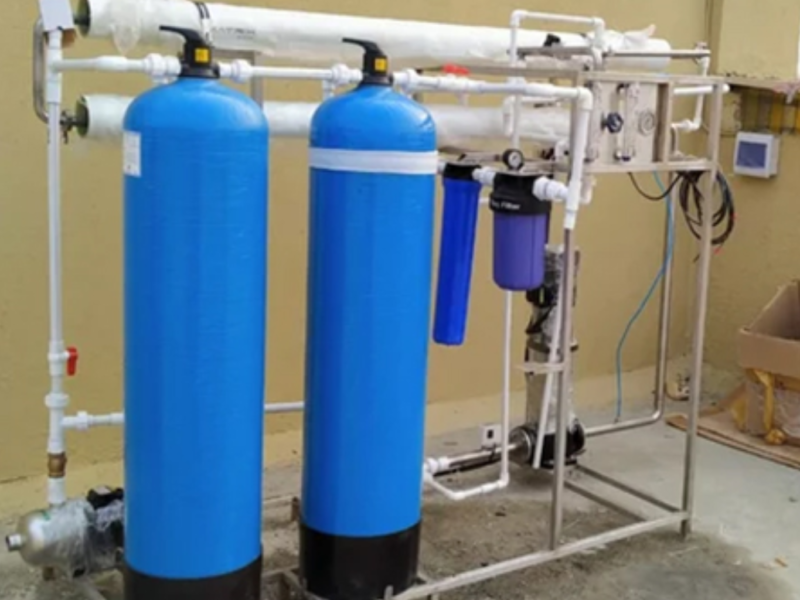
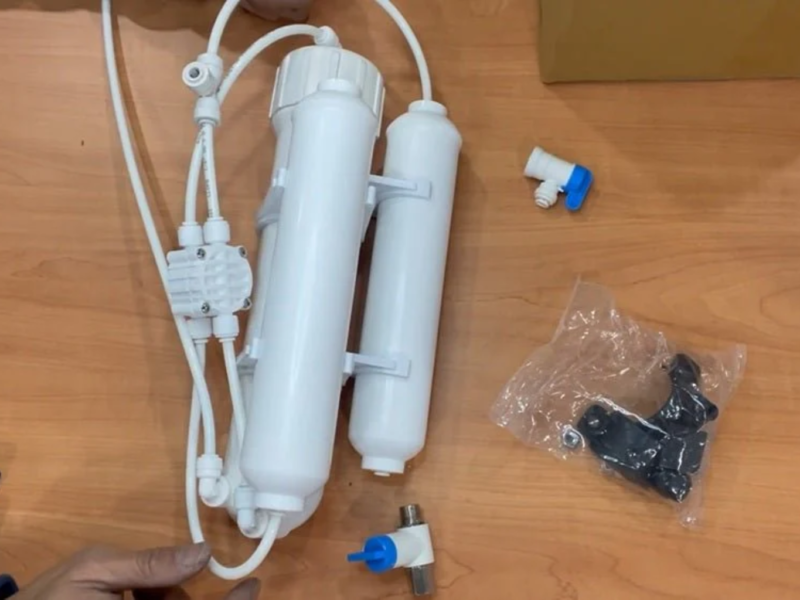
Let’s start with a personal favourite — the reverse osmosis setup. This system is kind of like the overachiever in the water purification world. It works by pushing water through a semipermeable membrane, essentially filtering out everything from heavy metals and fluoride to even bacteria in many cases. Sounds scientific, right? It is — but it’s also incredibly practical.
If you live in an area where water hardness, weird tastes, or chemical content is an issue, this is your go-to. Think of it as the water equivalent of a detox smoothie — except this one runs quietly under your sink and doesn’t cost $9. And yes, it makes a real difference. Tea tastes cleaner, pasta boils clearer, and you’ll start noticing how bottled water suddenly tastes…meh.
Reverse osmosis isn’t without its quirks — it wastes a bit of water during the process, and the filters need changing. But honestly? The clarity it brings (both literally and mentally) is worth it.
When Light Fights Germs: Why UV Disinfection Installation Matters
Now, let’s switch gears and talk about something that sounds straight out of a sci-fi movie: UV disinfection installation. The name alone conjures images of laser beams zapping away invisible threats. And in a way, that’s exactly what happens.
UV systems use ultraviolet light to neutralize bacteria, viruses, and protozoa. This isn’t about filtering stuff out — it’s about rendering germs unable to multiply, which makes your water safer without adding any chemicals to it.
These systems are especially important for homes that rely on private wells or get their water from sources where microbial contamination is a concern. Unlike chlorine (which adds an aftertaste), UV is a silent guardian. You install it, maintain it once in a while, and let it do its invisible work.
I know — it sounds high-tech. But many UV disinfection systems are compact, easy to install alongside your main supply, and virtually maintenance-free. It’s that extra peace of mind — the kind you don’t notice until you realize you haven’t had a random stomach bug in forever.
Fine-Tuning with Specialty Filters Installation
Not every water problem can be solved with one-size-fits-all solutions. That’s where specialty filters installation steps in, and honestly, it’s where things get fun. Because sometimes, your water has very specific issues — like that odd sulfur smell (yep, rotten eggs), or maybe iron that stains your white laundry with orange streaks.
Specialty filters are designed to tackle individual contaminants. Want to reduce arsenic? There’s a filter for that. Hate the taste of chlorine? There’s one for that too. These aren’t just “bonus” filters — they’re strategic tools for homeowners who know exactly what’s in their water.
What I love about specialty systems is how customizable they are. You can stack them, pair them, or integrate them with existing filtration setups. It’s like creating a tailor-made suit for your water — one that fits your needs perfectly, down to the last drop.
So…Which System is Best?
Here’s the honest answer: it depends.
If you’re dealing with a wide range of contaminants and want comprehensive purification, reverse osmosis is your all-in-one solution. If microbial safety is your top concern — say you’re using a borewell or rainwater tank — UV disinfection is your best friend. And if your issues are specific (nitrates, heavy metals, weird odours), specialty filters are the custom touch you’ll appreciate.
In many homes, the best setup is actually a combination of all three. You start with a sediment pre-filter, move through specialty filters (if needed), send the water through RO for deep purification, and finish with UV to eliminate pathogens. It’s not overkill — it’s just thoughtful design.
Installation Isn’t Rocket Science (But Call a Pro Anyway)
You might be tempted to DIY your water filtration setup. And sure, many systems are user-friendly and come with decent instructions. But here’s my advice — get a professional to at least consult before you start drilling holes in your countertop.
Certified installers not only set things up properly (no leaks!), but they also understand local water chemistry and pressure nuances that can make or break your system’s performance. Some companies even offer water testing before installation, which helps you choose the right system instead of just a popular one.
Final Thoughts: Water as a Lifestyle Choice
We often think of clean water as a given — especially if we’ve grown up in places with municipal treatment systems. But “clean enough” and “optimized for health and taste” are very different things.
Investing in water filtration isn’t just about removing toxins — it’s about upgrading your everyday experience. Better coffee. Healthier skin. Fewer digestive issues. And let’s not forget — an extra sense of control in a world where so much feels out of our hands.
If you’re reading this and still unsure whether it’s worth it — start small. Even a single specialty filter can make a world of difference. Then, as you learn more about what your water contains, build from there. Bit by bit, system by system, you’ll craft something that genuinely improves your life — and that’s always worth it.