
How a Well-Planned Rainwater System Can Make Everyday Living More Sustainable
 Admin
Published
DeskGaming
Admin
Published
DeskGaming
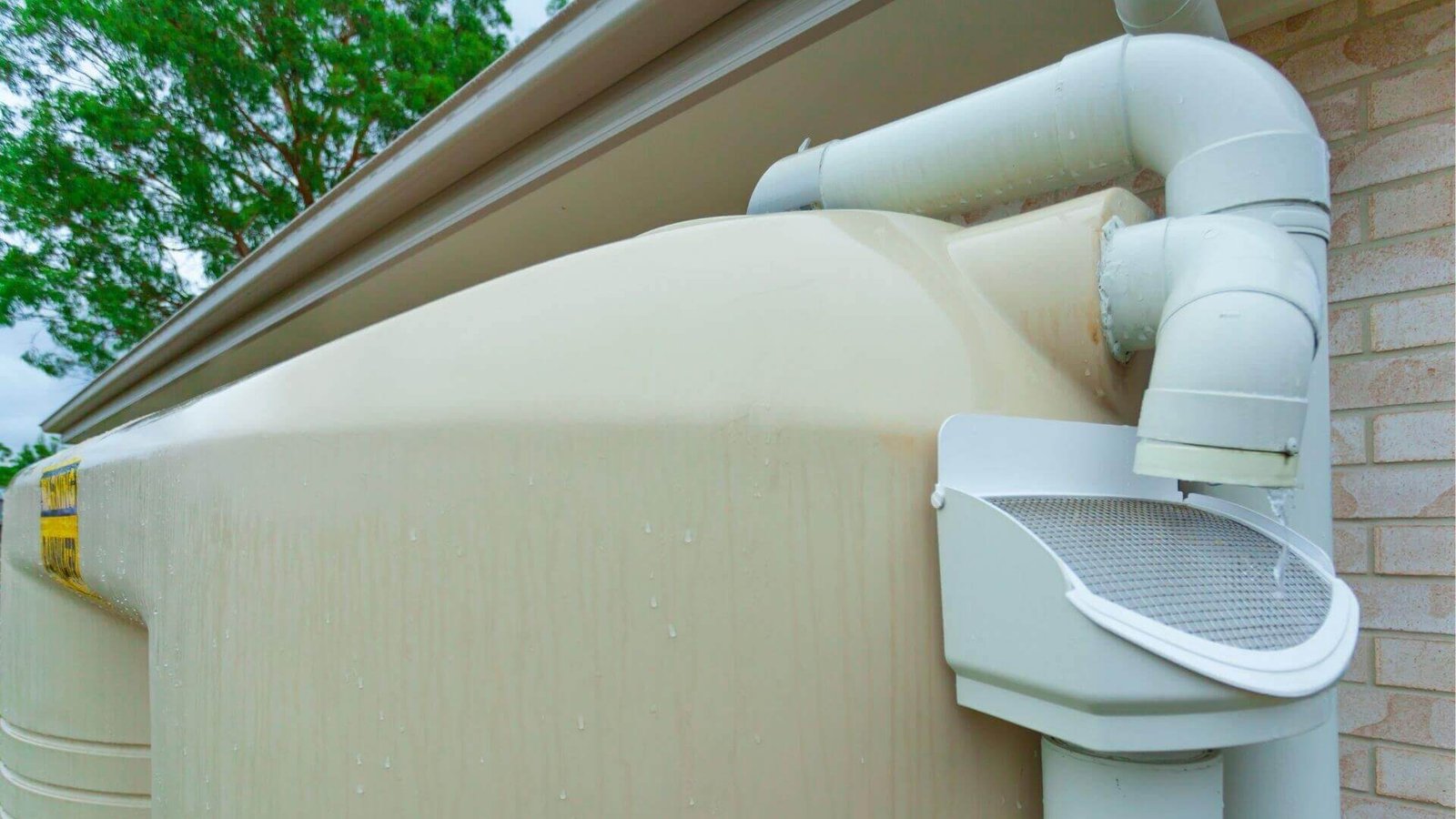
There’s something satisfying about making good use of what nature provides. A steady rainfall might seem ordinary, but when you pause and think about how much water lands on your roof during a single storm, it’s easy to see why more homeowners are turning to rainwater collection. Instead of letting that water disappear into storm drains, it can become a valuable resource for gardens, outdoor cleaning, landscaping, and other household tasks.
The idea itself isn’t new. People have been collecting rainwater for centuries. What has changed is the technology available today. Modern collection systems are more reliable, easier to maintain, and designed to fit homes of almost every size. Whether your goal is reducing water bills, conserving resources, or becoming a little more self-sufficient, a thoughtfully designed rainwater system can be a worthwhile investment.
Like most home improvements, success comes from good planning rather than buying the biggest equipment available.
Every Property Has Different Opportunities
No two homes collect rainwater in exactly the same way.
Roof size, local rainfall patterns, gutter design, available storage space, and intended water use all influence how a system should be planned. A home in a region with frequent rainfall naturally has different requirements than one located in a drier climate.
That’s why there’s no universal solution.
Some homeowners simply want enough water to keep flower beds healthy through dry weeks. Others hope to support larger gardens, wash vehicles, or reduce outdoor water consumption throughout the year.
The best system is always the one that matches your property’s unique conditions.
Storage Is the Foundation of the System
Once rainwater has been collected, it needs somewhere safe to go.
That’s where rainwater tanks become the heart of the entire setup.
Modern storage tanks are available in a wide range of sizes, materials, and designs, making it possible to choose an option that fits both the available space and expected water usage. Some homeowners prefer slimline tanks that blend alongside fences, while others install larger underground systems to preserve outdoor living space.
The goal isn’t simply storing water.
It’s protecting that water from excessive sunlight, debris, insects, and unnecessary contamination so it remains useful whenever it’s needed.
Good storage creates the foundation for every other part of the system.
Clean Collection Starts at the Roof
Many people assume rainwater arrives perfectly clean.
In reality, roofs collect dust, leaves, pollen, and small debris between rainstorms. As rainfall begins, those materials naturally wash toward the gutters.
Simple collection components such as gutter guards, leaf screens, and first-flush diverters help reduce the amount of unwanted material entering the storage tank.
These early protection measures make ongoing maintenance much easier while improving the overall quality of stored water.
Sometimes preventing problems is far easier than solving them later.
Moving Water Where You Need It
Collecting rainwater is only half the process.
Eventually, it needs to reach the places where you’ll actually use it.
That’s where rainwater pumps play an important role.
Whether supplying irrigation systems, outdoor taps, or garden hoses, properly selected pumps provide reliable water pressure while helping homeowners make practical use of their stored water.
Choosing the right pump depends on factors like tank size, intended water demand, pipe length, and elevation changes across the property.
A system designed around realistic household needs usually performs far better than one selected solely by horsepower or advertised capacity.
Small Components Make a Big Difference
Large tanks often receive most of the attention, yet many smaller parts quietly determine how smoothly the system operates.
Overflow fittings.
Tank level indicators.
Leaf filters.
Pipe connectors.
First-flush diverters.
Together, these rainwater harvesting accessories improve efficiency, simplify maintenance, and help protect the entire collection system.
Individually, each component may seem relatively minor.
Collectively, they contribute significantly to long-term performance and homeowner convenience.
That’s one reason professionally designed systems often feel so dependable over the years.
Maintenance Doesn’t Need to Be Complicated
One concern people sometimes have is whether rainwater collection requires constant attention.
Fortunately, routine maintenance is usually quite manageable.
Cleaning gutters before rainy seasons.
Checking inlet screens for accumulated leaves.
Inspecting pipes and fittings occasionally.
Ensuring overflow outlets remain unobstructed.
Replacing worn components when necessary.
These simple tasks help preserve system performance without requiring specialized expertise.
Most homeowners quickly find that maintaining a rainwater system becomes no more demanding than caring for a lawn irrigation system or seasonal landscaping.
Thinking About Sustainability
One of the greatest benefits of rainwater harvesting extends beyond individual households.
Every gallon collected for outdoor use reduces demand on treated municipal water supplies.
Gardens continue thriving during dry periods without relying entirely on potable water.
Outdoor cleaning tasks become more environmentally responsible.
These may seem like modest contributions, but over time they add up.
Sustainability often grows through practical habits rather than dramatic lifestyle changes.
Rainwater harvesting is one example of how thoughtful planning can support both household convenience and responsible resource management.
Planning Before Purchasing
It’s easy to become excited by large storage tanks or advanced pumping equipment.
However, successful systems usually begin with planning rather than shopping.
Questions worth asking include:
How much rainfall does your area typically receive?
How much water do you realistically expect to use?
Where will the storage tank fit?
Will gravity alone provide enough pressure, or will pumping be necessary?
How easy will future maintenance be?
Answering these questions first often leads to better long-term decisions while avoiding unnecessary expenses.
Thoughtful planning almost always outperforms impulse buying.
Better Systems Grow with Your Needs
One advantage of modern rainwater collection is flexibility.
Many homeowners begin with relatively simple systems designed for garden irrigation.
Later, as their confidence grows, additional storage capacity, improved filtration, or expanded distribution can often be added without replacing the entire system.
This gradual approach allows families to build systems that evolve alongside changing household needs.
There’s no requirement to install everything at once.
Sometimes starting small is the smartest decision.
Every Rainfall Becomes an Opportunity
Rain is one of nature’s most valuable resources, yet it’s surprisingly easy to overlook.
With thoughtful planning, reliable storage, efficient pumping, and well-chosen accessories, every rainfall becomes an opportunity to reduce waste while supporting everyday household activities.
At the end of the day, successful rainwater harvesting isn’t about owning the largest tank or the most advanced equipment.
It’s about designing a system that fits your property, your lifestyle, and your long-term goals.
When every component works together—from the roof that captures rainfall to the pump that delivers it where it’s needed—you create something more valuable than a collection system.
You create a practical, sustainable solution that quietly serves your home for years to come, one rainfall at a time.