Let’s be honest—most of us don’t think twice about the water that flows from our tap. It’s just… there. We use it to brush our teeth, brew coffee, boil pasta, or fill our water bottles on the go. But here’s the thing: water, while appearing crystal clear, can hide a cocktail of impurities. Some harmless. Some… not so much.
In a world where we’re increasingly conscious about what we eat and breathe, isn’t it odd how little attention we pay to the water we consume daily?
This isn’t fear-mongering. It’s awareness.
The Illusion of “Clear” Water
You turn on the tap. Water looks clean. Maybe even tastes fine. But what’s lurking beneath the surface? Depending on where you live, your municipal water may carry traces of chlorine, lead, fluoride, agricultural run-off, or even microscopic organisms.
And let’s not even talk about well water—many rural homes rely on groundwater, which, while natural, is often untreated and prone to contamination from nearby septic tanks or pesticide-laced fields.
For a society that invests so much in organic food and air purifiers, it’s ironic how we often overlook the quality of the very water that sustains us.
A Personal Shift Toward Something Better
I used to shrug off concerns about water quality. But then I noticed my skin drying out more often. My kettle had weird white buildup. My plants looked less perky. Coincidence? Maybe. But when I finally invested in a basic filtration system, things started to change.
Coffee tasted better. My skin stopped itching. Even the dog preferred the filtered stuff (not kidding).
It’s a subtle transformation. Not flashy. Not Instagram-worthy. But real.
And it got me thinking—why do we settle for less when we could so easily have cleaner water?
Understanding Contaminants (Without Needing a Lab Coat)
Not all water contaminants are dangerous, but some are definitely unwelcome guests. Here’s a simplified breakdown:
- Sediment: Sand, dirt, rust—mostly a nuisance.
- Chlorine: Added to kill germs, but dries out skin and hair.
- Heavy metals (like lead or mercury): Toxic even in small amounts.
- Microorganisms: Bacteria, viruses—typically killed in municipal treatment, but well water can be a wild card.
- Nitrates: From fertilizers. Harmful especially for infants.
- PFAS (a.k.a. “forever chemicals”): Linked to cancer and other issues. Increasingly found in water systems worldwide.
These aren’t just theoretical risks—they’re backed by studies, lawsuits, and countless news reports. And yet, many households don’t even use a basic filter.
Why Home Filtration Matters More Than Ever
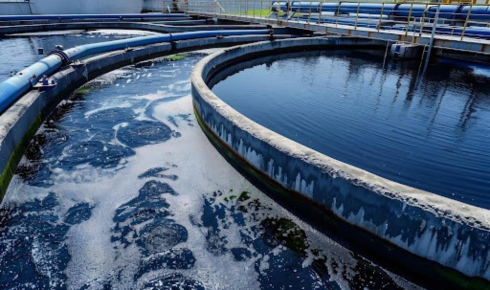
Municipal systems do a lot, but they aren’t perfect. Old pipes, outdated infrastructure, and underfunded utilities can compromise water quality by the time it reaches your faucet.
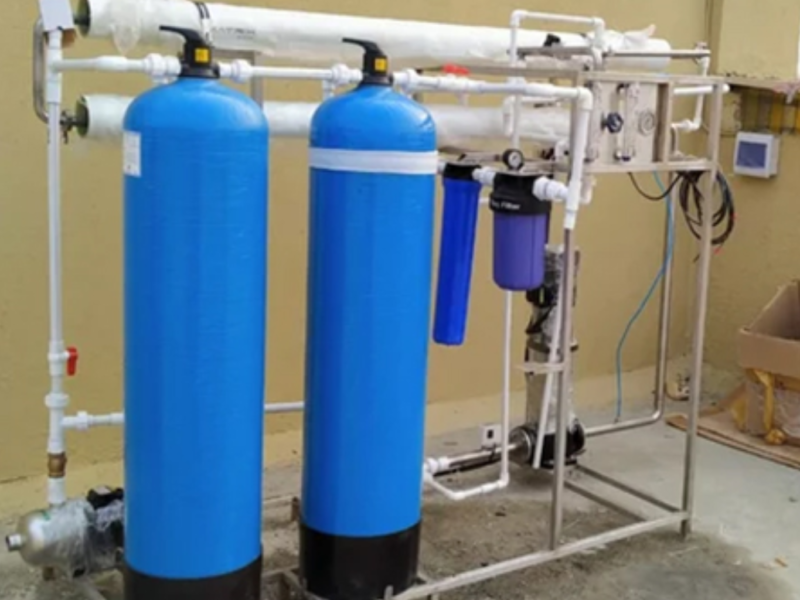
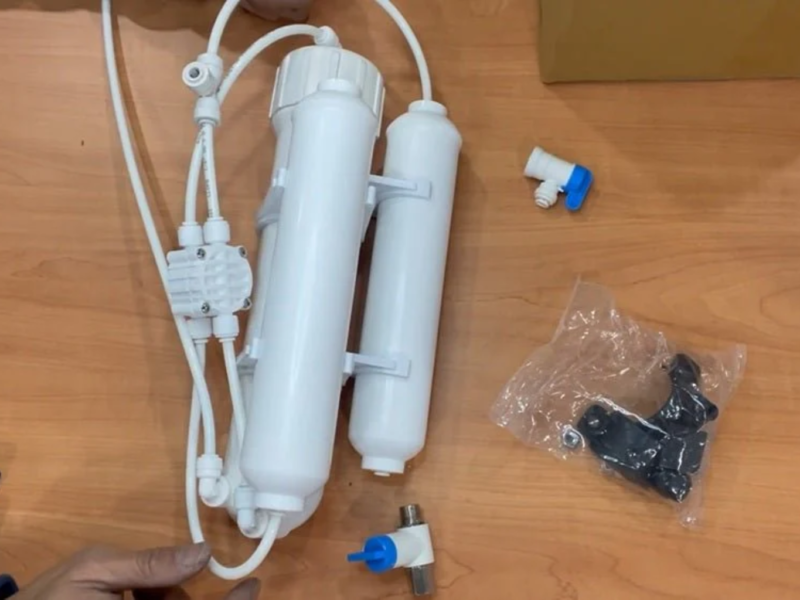
Enter home filtration. You don’t need to spend a fortune. From pitcher filters to under-sink systems to whole-house solutions, there’s something for every budget and setup.
A proper water treatment system doesn’t just remove visible dirt—it targets chemicals, microbes, and even odours. Some systems soften water (great for pipes and appliances), while others target specific threats like arsenic or fluoride.
Think of it like brushing your teeth. Just because you had a dental cleaning six months ago doesn’t mean you skip daily brushing, right?
Taste Isn’t Everything, But It Matters
We humans are picky. If water tastes “off,” we avoid it. And what happens then? We switch to sugary sodas, bottled drinks, or processed juices. All unnecessary when you could just enjoy crisp, fresh water right from your kitchen.
Filtered water often tastes better because it’s free from chlorine, metals, or strange earthy flavours. That might not seem like a big deal—until you notice you’re drinking more water just because it’s enjoyable.
And when hydration improves, so does your energy, skin, digestion, and mood.
Water Safety Is About More Than Just You
Let’s widen the lens a bit. Having safer water at home doesn’t just benefit you. It helps your kids, your pets, your guests. If you run a home-based business—say a daycare or Airbnb—your water quality becomes even more important.
And let’s not forget—people with compromised immune systems, infants, and the elderly are especially vulnerable to waterborne contaminants. Ensuring safety at the source is not just responsible—it’s compassionate.
But Isn’t Bottled Water Easier?
You’d think so. But bottled water isn’t necessarily safer. In fact, many bottled brands are just filtered tap water in fancy packaging. Not to mention the plastic waste and environmental impact of transportation and manufacturing.
Besides, relying on bottled water for cooking, cleaning, or even boiling pasta? It’s just not practical—or affordable.
Home filtration systems give you control, consistency, and convenience. And in the long run, they save money.
How to Start Your Water Wellness Journey
You don’t have to overhaul everything at once. Start small.
- Step 1: Get a water quality test. Many cities offer free testing kits, or you can buy one online.
- Step 2: Understand your needs. If your water is hard, a softener might help. If you’re worried about bacteria, a UV purifier could be ideal.
- Step 3: Choose a system that fits. A simple carbon filter may be all you need, or maybe a reverse osmosis unit is right for you.
- Step 4: Maintain it. Filters need replacing. Systems need servicing. Clean water is a habit, not a one-time thing.
Water Is Life—Treat It That Way
Look, this isn’t about being paranoid. It’s about being proactive. You don’t need to become a water scientist or spend thousands on high-end gadgets. But taking a little time to care about your home’s water quality can ripple through your life in surprising ways.
Better hydration. Healthier meals. Shinier hair. Fewer skin issues. Happier pets. Even better tasting tea.
It’s all connected. And it all starts with water.
So maybe tonight, as you fill up your glass before bed, take a second to think about what’s actually in it. Not to panic—just to appreciate. And maybe, to take the next small step toward a healthier, more hydrated life.
Because you deserve more than “good enough.” You deserve water that’s clean, safe, and actually good for you.