A Warmer Future: Rethinking Your Water Heating System with Modern Upgrades
 Admin
Published
DeskHome Services
Admin
Published
DeskHome Services
There’s something deeply satisfying about hot water on a cold morning — the steam curling around your face, that first splash waking you up more gently than coffee ever could. We rarely stop to appreciate it, but our hot water systems are small luxuries we depend on daily. Until, of course, they stop working.
That’s when questions start flooding in. Should I fix it? Should I replace it? Is it time to go green with solar? And what the heck is an anode rod anyway?
Let’s unravel the mysteries and explore what really matters when upgrading or replacing your water heater — with a little humor, some real-world advice, and zero robotic fluff.
The Comfort of Familiarity… Until It Breaks
It’s easy to ignore a water heater when it’s doing its job. Tucked away in a corner of the garage or a closet, it works quietly behind the scenes. But when your hot water vanishes mid-shower, suddenly it’s the only thing you care about. The panic is real. So is the chill.
And here’s the deal — like anything mechanical, water heaters don’t last forever. Whether it’s 8, 10, or 15 years old, they all eventually hit a wall. That’s when you’re faced with a decision. Repair or replace?
Sometimes, the answer’s obvious — rusted tank, rising energy bills, weird noises like a boiling cauldron. Other times, you might just be eyeing a more efficient future. That’s where things get interesting.
Hello Sun, My Old Friend
If you’ve ever watched your electricity bill climb during winter, you might’ve wondered: can the sun help me out here? The short answer? Yes. The long one? It depends.
Solar water heaters aren’t just buzzwords — they’re genuinely transformative. These systems use the power of sunlight to preheat or fully heat your water. In sunny regions, they can cover up to 80% of your hot water needs. That’s huge. It’s like Mother Nature is chipping in on your utility bill every month.
But before you jump in, keep in mind that installation isn’t just about plopping some panels on the roof. It involves storage tanks, heat-transfer fluids, and sometimes even backup heaters. It’s a bit of a project, but once set up, it’s a solid long-term play — for your wallet and the planet.
Let’s Talk About That Word: Installation
Upgrading your water heater is more than swapping one cylinder for another. Whether you’re going traditional, tankless, hybrid, or solar, the process has its quirks.
Professional installation matters. Water heaters deal with scalding temperatures and high pressure — not exactly a DIY playground unless you’re a seasoned plumber. Plus, most warranties are void if the unit isn’t installed by a licensed pro.
Depending on your home’s layout, installing a new system might involve reworking your plumbing, modifying electrical connections, or even upgrading your gas line. Some older homes weren’t built for today’s high-efficiency units — and your technician will spot those red flags before you do.
The Quiet Hero: Anode Rods and Their Role
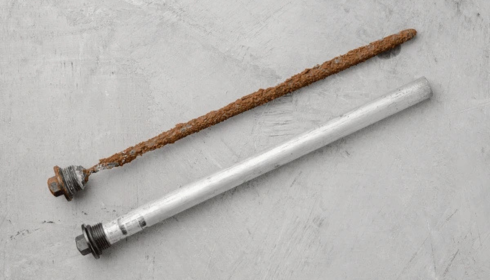
Here’s something that doesn’t get nearly enough attention: the anode rod. Sounds technical, right? Almost like a part you’d expect in a spaceship. But this humble metal rod plays a heroic role in your water heater’s lifespan.
Made from magnesium or aluminum, the anode rod sits inside your tank and sacrifices itself to corrosion so the steel tank doesn’t have to. Over time, it erodes — and once it’s gone, your tank becomes the next target. Think of it like the bodyguard of your water heater. When it’s worn out, trouble starts knocking.
Replacing the anode rod every few years is a cheap and easy way to extend your heater’s life. Yet, many homeowners never check it. Ever. So if you’re considering a full water heater replacement, ask your plumber about the rod — maybe all you need is a swap, not a splurge.
When Replacement Makes Sense (And When It Doesn’t)
Let’s not sugarcoat it — water heaters aren’t cheap. But neither are cold showers and repeat repair bills. If your unit is over a decade old, noisy, leaking, or just can’t keep up with your household, replacement might be your smartest move.
Modern water heaters are lightyears ahead in efficiency. Some offer Wi-Fi controls, others can learn your schedule. A few even talk to your smart home setup. (Okay, not “talk” — but they sync.)
On the other hand, if your system’s fairly new and just misbehaving a little, a simple flush, part swap, or service visit might be all it needs. Again — don’t guess. Let a pro check it out.
Efficiency Isn’t Just for Nerds
Old water heaters are energy hogs. They run constantly, lose heat through poorly insulated tanks, and can turn 30% of your utility bill into a game of “where’d that money go?”
Newer models — especially Energy Star certified ones — are far more efficient. Tankless units heat on demand. Hybrids use heat pumps. And solar systems? Well, they’re in a league of their own.
Sure, the initial investment might seem steep. But the savings stack up over time. Like buying a fuel-efficient car — you feel the difference at the gas pump month after month.
Don’t Ignore the Small Stuff
Maintenance matters. You wouldn’t drive your car 100,000 miles without changing the oil. Same goes for water heaters.
Simple habits like flushing the tank annually, checking for sediment buildup, inspecting the anode rod, and testing the pressure relief valve can add years to your system’s life. Think of it as TLC for your hot water supply.
And keep an ear out for odd noises — gurgling, banging, screeching. Water heaters shouldn’t sound like they’re haunted.
The Takeaway: Your Comfort, Your Call
There’s no one-size-fits-all answer here. Your home, your habits, your climate, and your budget all play a role. Want to go green and cut bills long-term? Solar might be your jam. Prefer simple and reliable? A traditional tank or electric model could still serve you well.
Whatever path you choose, treat it like a real investment — not just a necessary expense. Because few things are more underrated than the comfort of instant hot water on demand.