Why Your Water Pressure Feels Off — And What You Can Do About It
 Admin
Published
DeskHome Services
Admin
Published
DeskHome Services
Have you ever stood under your shower, waiting for a strong stream of water, only to get hit with a trickle that barely wets your hair? Or maybe you’ve had the opposite problem — a sudden, forceful surge that nearly knocks the soap out of your hands. If either sounds familiar, you’re not alone. Many homeowners face these frustrating, often mysterious fluctuations in water pressure, and the reasons behind them can be more complex than you’d think.
Let’s take a real-world stroll through what causes this chaos and what you can do to fix it — without needing a plumbing degree or a crystal ball.
The Mysterious Case of the Water Pressure Drop
You know the feeling. You’re running the kitchen faucet, and someone flushes a toilet upstairs — boom, the pressure vanishes like magic. Or worse, you’re in the middle of washing clothes, and your washing machine sounds like it’s gasping for air.
The root cause? Most often, water pressure problems stem from inconsistent supply or outdated infrastructure. Old galvanized pipes, mineral build-up, or leaky joints can silently sabotage your water flow. But sometimes the issue lies deeper — like with the municipal supply, your pressure regulator, or an overtaxed well system.
Not All Tanks Are Created Equal
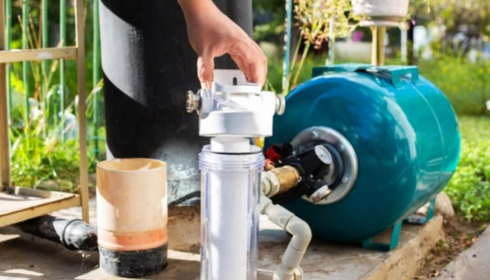
If you’re relying on a well system, one unsung hero plays a major role in your water pressure: the pressure tank. More specifically, pressurized tanks are the MVPs in keeping your water flowing evenly.
These tanks store water and use compressed air to push it into your pipes at a consistent rate. When they work right, you won’t even think about them. But when they go bad — when the air bladder inside fails or the pressure switch acts up — you’ll suddenly notice. Either your pressure drops too low, or it starts cycling rapidly, creating a frustratingly inconsistent shower experience.
Here’s the kicker: some folks don’t even realize they have a pressurized tank, especially if they bought an older home. But if you’re on a private well, chances are good you’ve got one — and it deserves some attention.
That Infamous Sputter: Diagnosing the Inconsistency
Let’s talk about inconsistent water flow — you know, that stop-start game your faucets play sometimes. You turn the tap, get a spurt, a pause, then another spurt. Or your shower goes from warm and steady to a weak dribble mid-rinse. Super annoying.
This symptom usually points to air in the lines or a failing pressure switch. In some cases, sediment clogging up faucet aerators or showerheads is the culprit. But it could also be a sign your pressure tank isn’t maintaining the right range — maybe it’s waterlogged, or the pressure gauge is off. Either way, inconsistency is rarely random. It’s your plumbing waving a flag saying, “Hey, check me out!”
Not Just a Plumbing Issue — A Lifestyle One
Believe it or not, water pressure troubles aren’t just about pipes and tanks. They affect your everyday comfort and even your utility bills. Appliances like dishwashers and washing machines are designed to work best at a certain pressure. If they’re not getting it, they have to work harder — and that wears them out faster.
Even worse? Low water pressure can sometimes lead people to run taps longer to get the job done, wasting more water than they realize. So that slow trickle? It’s costing you more than just a few minutes of frustration.
Fixes You Can Actually Handle
Here’s the good news: not every water pressure issue requires a professional right off the bat. A few things you can check and try:
- Clean aerators and showerheads regularly. Mineral deposits can reduce flow even when pressure is fine.
- Inspect your pressure tank. Look at the pressure gauge. Typical range should be around 40–60 psi. Anything below or above that might indicate trouble.
- Check for leaks. Turn off all faucets and watch your water meter. If it’s still running, there’s a hidden leak somewhere.
- Test the pressure regulator (if your system has one). Sometimes just adjusting it slightly can make a world of difference.
- Flush your pipes. Especially if you haven’t done it in years. Sediment buildup is sneakier than you think.
Of course, if you’re not the DIY type, no shame in calling a plumber. Especially when electrical issues (like pump pressure switches) are involved — best leave those to the pros.
When Replacement Is the Best Option
Sometimes, you’ve just got to let go. If your system is decades old, patching things might not be enough. Replacing outdated pressurized tanks, corroded pipes, or finicky regulators can restore not just your water flow, but your peace of mind. Yes, it’s an investment — but one that pays off in the long run through improved efficiency and fewer headaches.
And if you’re doing a home reno or planning to sell? Upgrading your plumbing setup can actually boost your home’s value. Because let’s face it — no buyer wants to deal with mysterious pressure drops after move-in.
Final Thoughts: Don’t Ignore the Drip
Water pressure issues aren’t just a minor nuisance — they’re often a warning sign of something deeper going on with your plumbing system. Whether it’s inconsistent water flow or long-standing water pressure problems, the sooner you tackle them, the better.
And hey, maybe next time you step into the shower, you won’t have to brace for the drizzle… or the fire hose.
Because let’s be honest — water pressure shouldn’t be a daily surprise.