Should You Use an Air Purifier With the Windows Open? A Real Talk on Clean Air, Confusion, and Common Sense
 Admin
Published
DeskHome Services
Admin
Published
DeskHome Services
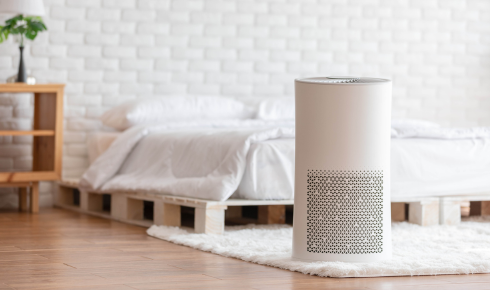
Let’s talk about something that sounds harmless enough but can actually cause a surprisingly heated debate in the world of home air quality: using an air purifier while the windows are open. Sounds innocent, right? A bit of fresh air, a bit of filtered air—why not have both?
But then the questions start rolling in. Does it still work? Am I wasting electricity? Is the outside air making things worse? It’s easy to spiral down a rabbit hole of conflicting advice and Reddit threads full of strong opinions. Let’s pull it all together and talk like real people navigating dusty apartments, spring allergies, and city smog.
The Simple Appeal of Air Purifiers
Before we dive into the window situation, let’s quickly rewind and remember why air purifiers became such a staple in modern homes.
They’re essentially quiet little warriors that trap pollutants—dust, pollen, pet dander, smoke particles, even bacteria—and give us cleaner, easier-to-breathe air in return. For anyone with allergies, asthma, or just general ugh-ness from indoor air, they’re a godsend.
But they’re not magic. They’re machines with filters and fans, designed to clean the air within a confined space. That’s important to keep in mind.
Cracking a Window: Feels Good, But Is It Smart?
On a breezy spring morning, it feels right to open the windows. The fresh scent, the gentle wind—it’s a vibe. But if your air purifier is running nearby, here’s where the tension builds.
Technically, running air purifier with windows open can reduce its overall effectiveness. Think of it like trying to heat a room while leaving the front door open in winter. New air keeps rushing in, and your purifier has to work harder—maybe even endlessly—to clean an ever-changing environment.
Still, it’s not all black and white.
Context Matters: When It’s OK to Let the Outside In
Here’s the nuance no one seems to talk about: not all outside air is created equal. If you live in a rural area with low pollution and little pollen (bless you), opening the window may actually help dilute the stale indoor air with relatively clean outdoor air. In this case, your purifier just becomes part of a dynamic tag team.
But if you’re in a city choking on traffic fumes or pollen season is in full swing? That’s when air purifier window open might not be the best combo. You’re inviting in the exact pollutants the machine is trying to trap. Kind of like pouring water into a sinking boat while trying to bail it out.
The Gray Area We All Live In
Most of us don’t live in extreme conditions. We’re in apartments, suburban homes, or shared spaces. Maybe it’s smoky one day, dusty the next. That’s why rigid rules don’t always apply.
So what’s a reasonable approach? Here’s the real-world logic:
- Short bursts of fresh air won’t kill the benefits of your purifier. Open the window for 10-15 minutes, then close it and let the purifier do its thing. Think of it as hitting refresh.
- Weather and air quality apps are your friends. Apps like AirVisual or AQI India can tell you when it’s safe to open windows. If your outdoor PM2.5 levels are low, it’s a green light.
- If the goal is odour removal (like post-cooking), a cracked window plus the purifier can actually work in harmony for faster results.
You’re not betraying your air purifier every time you want a breeze. Promise.
The Myth of All-or-Nothing
People often assume it’s either/or—open windows or use your purifier. But honestly, that’s not how life works. Sometimes your room is stuffy, but you also know there’s dust floating around. It’s okay to mix strategies.
Here’s the truth: using air purifier with windows open won’t make the machine useless—it just lowers its efficiency. And that might be a trade-off you’re willing to make for a bit of ventilation or mental clarity.
Especially in homes with pets or where people cook a lot, sometimes that fresh air is necessary. Just be aware that your purifier may take longer to clean the room afterward.
A Couple Tips to Keep Both Worlds Happy
Alright, practical folks, here’s what you can actually do:
- Face the purifier away from the window. This keeps it from trying to clean what’s immediately coming in.
- Choose higher CADR models if you know you’ll keep windows open often. They can cycle and clean more air, more quickly.
- Don’t place purifiers right next to windows or vents. That’s like making them chase their tails.
In some cases, consider getting a unit with air quality sensors. These can actually tell you when levels spike after opening windows—and when things settle again.
Let’s Talk Electricity and Efficiency for a Second
Now, for the practical folks watching the energy meter.
Yes, leaving a purifier running 24/7—especially with windows open—can slightly increase power use without giving proportional results. If saving energy is a top priority, time your usage. Run the purifier after you close the windows, especially during high-pollution hours or overnight.
The cost difference may not be massive, but every bit counts if you’re running multiple units in your home.
So… Should You Do It?
If you’re looking for a one-size-fits-all answer to whether running air purifier with windows open is a good idea, here’s the honest take:
It depends. And that’s not a cop-out—it’s just real life.
- If the air outside is worse than inside? Keep them closed.
- If it’s clean, cool, and pollen-free? Crack a window and enjoy it—but don’t expect your purifier to win any speed races.
It’s about balance. Know your environment, listen to your body, and adjust as needed. You’re allowed to care about comfort and air quality.
Final Thought: Don’t Overthink It Too Much
At the end of the day, living well isn’t about perfect air quality scores—it’s about feeling good in your space.
If you get joy from a gentle breeze, open the window. If your allergies flare up afterward, close it and let the purifier work overtime. Life is messy. Clean air helps, but so does fresh air. You’ve got permission to do what works for you—and adjust when it doesn’t.
And that, friends, is the sweet spot between science, sanity, and real-life living.