Most of us don’t give our water much thought. We turn on the tap, fill a glass, shower, wash the dishes, and move on with life. But every drop of that water quietly affects everything—from your skin and hair to your appliances and energy bills. And lurking behind the scenes is an often-overlooked question: what kind of water are you really using?
Now, I’m not talking bottled vs. tap. I’m talking about the great, often misunderstood divide: hard water vs. soft water.
The Water You Can’t See, But Definitely Feel
Let’s back up. You might be wondering: what is the difference between hard water and soft water?
Well, it’s all about minerals. Hard water is loaded with dissolved minerals—mostly calcium and magnesium—that it picks up while moving through soil and rock. Soft water, by contrast, has those minerals either naturally absent or removed through treatment (usually via a water softener that swaps them for sodium or potassium ions).
That’s it. No strange chemicals. No black magic. Just a difference in mineral content. But oh boy, does it matter.
Okay… So Why Should I Care?
The difference shows up in all kinds of ways. Like how easily your soap lathers. How your skin feels after a shower. How shiny your dishes are. Even how long your water heater lives.
If you’ve ever stepped out of a shower with skin that feels tight and itchy—or noticed white residue on your faucets—you’ve likely experienced hard water. On the flip side, if your water feels oddly slippery, almost like you can’t wash the soap off, welcome to soft water land.
But it’s not just about “feel.” These mineral differences can affect your entire home, slowly and silently.
When Water Gets Too “Hard”
Let’s say you live in a region with notoriously hard water. You’ll probably deal with more than just annoying soap scum.
Over time, the minerals in hard water build up—on showerheads, inside kettles, around faucets, and worst of all, in your pipes and appliances. This limescale can clog things up, reduce efficiency, and even lead to early breakdowns of water heaters, dishwashers, and washing machines.
Your cleaning products? You’ll use more. Your hair? Maybe a little dull and lifeless. Your laundry? Stiff and faded faster than it should be.
That’s why people start exploring softening solutions—not just for comfort, but to protect their investment.
So, What About Soft Water?
Ah, soft water—the pampered cousin of hard water. With minimal calcium and magnesium, it leaves behind no residue. Your soap lathers beautifully. Your clothes come out feeling like clouds. And your appliances? They get to breathe easy, free from mineral choking.
But soft water isn’t perfect either. Some people find that it feels “too slick.” It can take a little getting used to, especially if you’ve grown up on the other side of the mineral fence.
There’s also the issue of sodium. Softening processes typically add small amounts of salt to the water—generally safe for most people, but worth noting for those on sodium-restricted diets or households using well water for drinking.
Let’s Clarify: What Is the Difference Between Hard and Soft Water?
If you’re asking yourself, what is the difference between hard and soft water, think of it like this: it’s not about what’s added to your water, but rather what it brings along with it from nature.
Hard water brings minerals. Soft water is stripped clean of them.
That mineral content—though invisible—makes all the difference. Not just in how water interacts with soap or how shiny your glassware looks, but in long-term home maintenance, skin health, and even taste.
It’s kind of like comparing rough jeans and silky pajamas. Both cover you, but the experience? Worlds apart.
Real-Life Tale: When I Finally Noticed
I didn’t used to care about water hardness. Seemed like a non-issue—until I moved into a rental house with an ancient water heater and rock-hard water. After a few months, the heater broke down (covered in mineral gunk), my hair looked perpetually dry, and every glass had a foggy coat of film.
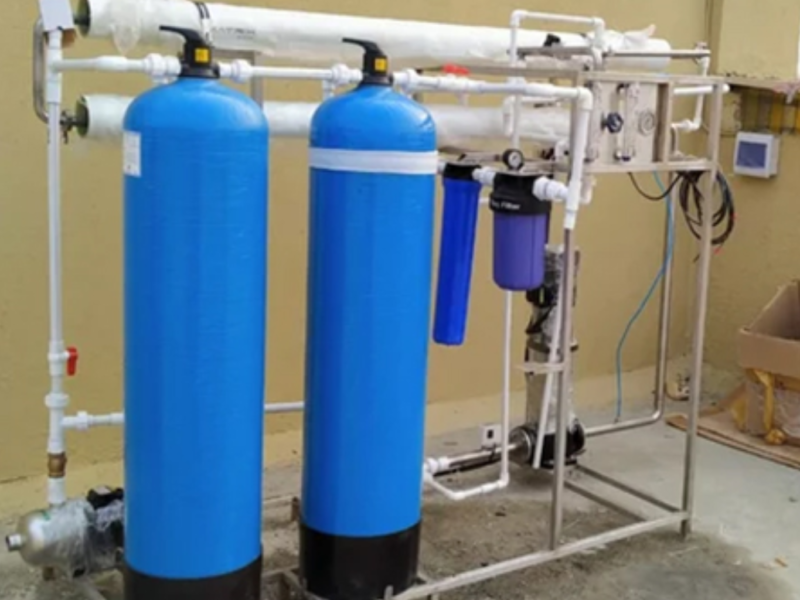
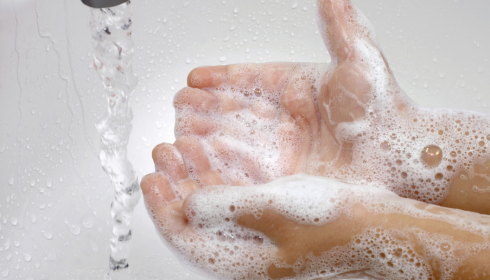
Fast forward to my current place, which has a water softener system. I didn’t realize how big the difference was until I washed my hands and barely needed lotion afterward. It sounds minor, but these tiny, daily things? They add up.
Should Everyone Use a Water Softener?
Not necessarily. If your water is only mildly hard, you might not need to soften it. Plus, some mineral content can actually be beneficial—calcium and magnesium are good for you in moderate amounts.
But if your water is very hard (and many U.S. homes fall into that category), a softener can be a game-changer—especially if you’re looking to prolong appliance life or reduce cleaning headaches.
Bonus: water softeners may even lower your energy bill since they help your water heater run more efficiently.
Think Before You Drink?
Now, if you’re thinking about drinking softened water, just know—it’s fine for most people. But again, the slight sodium increase might be a concern for a few. If you’re using soft water mainly for showers and appliances, consider installing a separate tap for drinking water that remains unsoftened.
This dual approach lets you enjoy all the benefits of soft water without sacrificing peace of mind when filling your water bottle.
Should You Get Your Water Tested?
Honestly? Yes.
You don’t need to guess. Inexpensive home testing kits or even a call to your local water utility can tell you just how hard your water is. This gives you the info you need to make smart choices—whether that’s installing a softener, changing your shower filter, or simply accepting things as they are.
It’s not about solving a problem—it’s about understanding what you’re working with.
The Bottom Line: Know What’s Flowing
To wrap it up, what is the difference between hard water and soft water? It’s more than just a chemistry lesson. It’s about experience, cost, comfort, and even self-care.
Soft water doesn’t mean better water—it means different water. The right type depends on your lifestyle, your location, and your preferences.