There’s something oddly reassuring about turning on the tap and watching water flow. It’s a small ritual most of us perform dozens of times a day without even noticing. Fill a kettle. Rinse an apple. Top off a glass before bed. Water feels constant, dependable — almost invisible.
And yet, over the past decade, more people have started pausing at the sink. Not in panic, exactly. More in curiosity. What’s actually in this water? Is it as pure as it looks? Could it be better?
These questions aren’t rooted in fear. They’re rooted in awareness. The conversation around water safety has expanded, and households are paying attention in ways they didn’t twenty years ago.
When Clear Doesn’t Always Mean Clean
Municipal water systems in many regions are regulated and tested regularly. That’s important. It’s also reassuring. But “within standards” doesn’t always translate to “ideal for everyone.” Water travels through aging infrastructure. It interacts with pipes that may have been installed decades ago. And in rural areas, private wells don’t always undergo routine oversight.
The thing about water is that many potential contaminants are invisible. You won’t taste trace metals. You might not smell chemical residues. Sometimes, the only clue something’s off is mineral buildup on a faucet or dry skin after a shower.
This is where advanced filtration solutions begin to make sense. Not because public systems are failing en masse, but because households want more control. Filtration technology has evolved significantly. Modern systems can target specific concerns — from chlorine and sediment to heavy metals and certain emerging contaminants — without requiring industrial-scale equipment.
It’s not about paranoia. It’s about precision.
I once visited a friend who installed a multi-stage filtration system after a simple water test revealed high hardness levels. The result wasn’t dramatic. There were no fireworks. But the dishes came out cleaner. The shower felt softer. The tea tasted brighter. Subtle shifts, but they added up.
Taste, Comfort, and the Little Things
Let’s be honest — taste matters. If water carries a faint metallic tang or chemical aftertaste, it affects more than just drinking. Coffee changes. Soup tastes slightly off. Even ice cubes alter a beverage’s flavor.
Filtration can improve those everyday experiences. It can reduce chlorine that contributes to odor. It can soften minerals that create residue. It can filter out sediment that clouds clarity.
And when water tastes better, people naturally drink more of it. That’s a small lifestyle upgrade with meaningful health benefits.
But beyond flavor, there’s comfort. Knowing your water is filtered specifically for your household’s needs provides quiet confidence. You stop second-guessing the tap. You fill reusable bottles without hesitation. You cook pasta without wondering about what’s dissolving alongside it.
That confidence is part of the value.
The Practical Side of Filtration
Of course, installing a system isn’t just about perception. It’s about practicality.
Hard water, for instance, can shorten the lifespan of appliances. Mineral scale builds up inside water heaters, reducing efficiency and increasing energy costs. Washing machines work harder. Dishwashers struggle with residue. Over time, those small inefficiencies become expensive repairs.
Filtration and softening systems can extend appliance longevity. They protect plumbing. They reduce maintenance headaches.
For households seeking clean water at home, the decision often blends health considerations with long-term financial logic. Yes, there’s an upfront cost. But there’s also savings in reduced bottled water purchases, fewer plumbing issues, and improved appliance performance.
And let’s not overlook environmental impact. Shifting from bottled water to filtered tap water significantly reduces plastic waste. It’s one of those changes that feels small individually but meaningful collectively.
Choosing What Fits Your Space
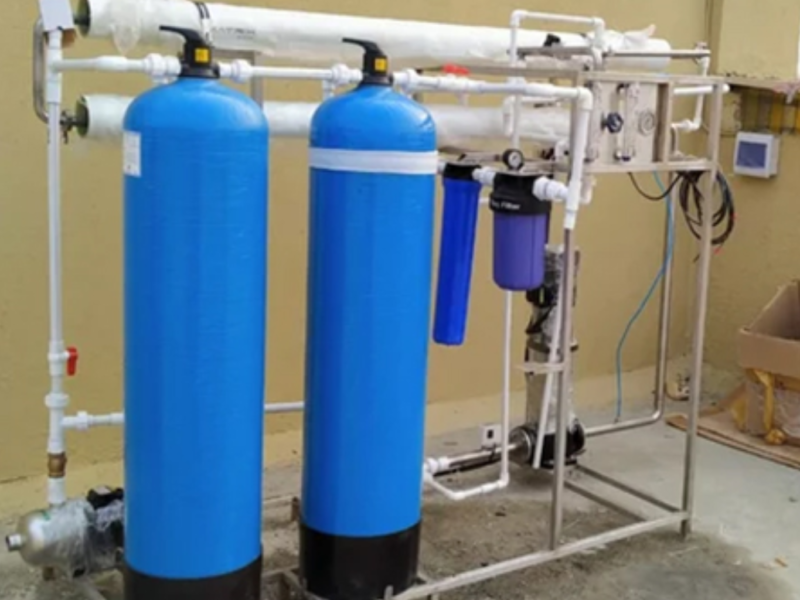
One misconception about home filtration is that it requires bulky tanks or complicated installations. That used to be true in many cases. Not anymore.
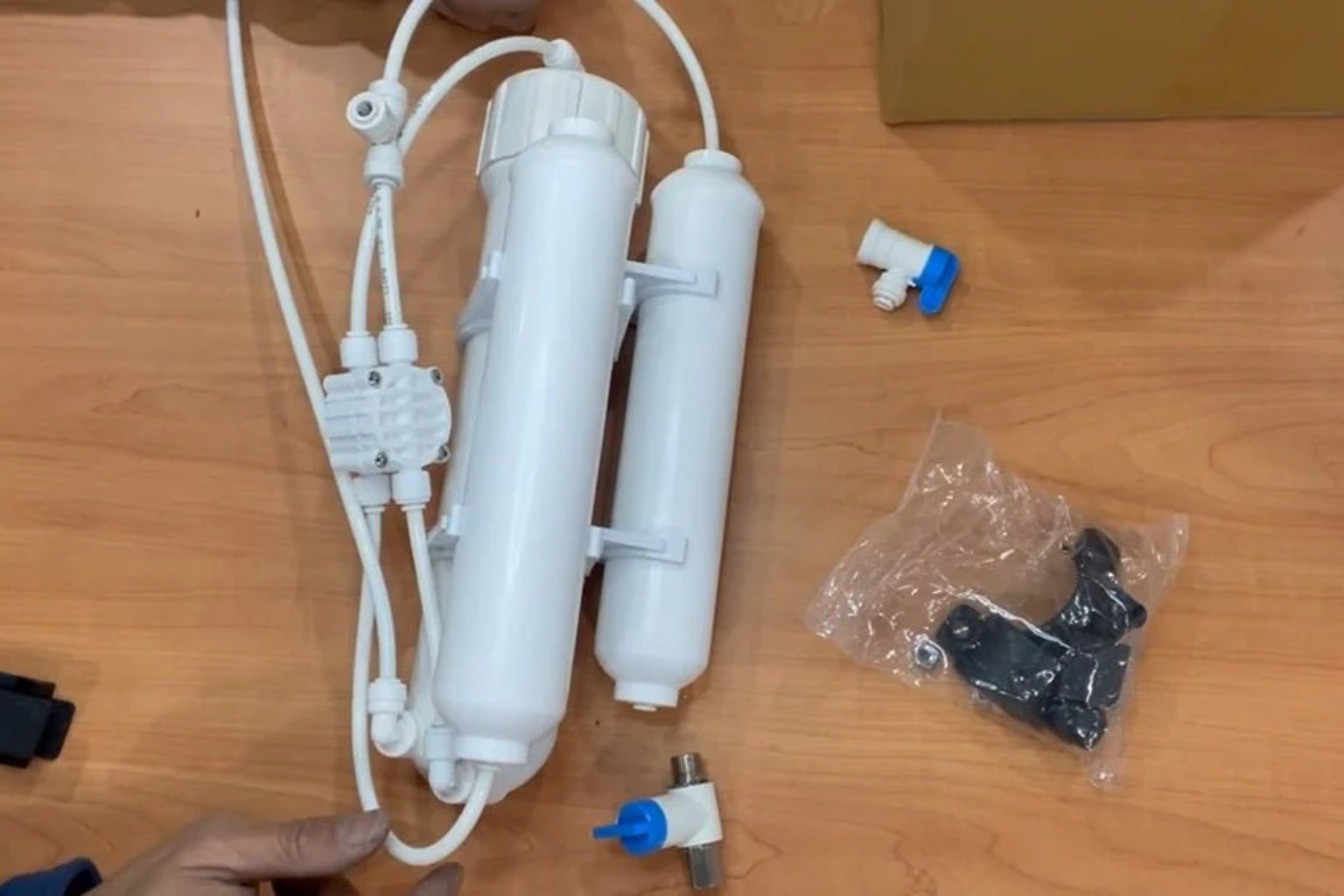
Modern systems range from compact under-sink units to whole-home setups. Some focus solely on drinking water. Others address every tap in the house. The right choice depends on water quality, household size, and personal priorities.
Testing is often the best first step. Instead of guessing, get data. Understand mineral levels. Identify potential contaminants. Then select a system designed to address those specifics.
Maintenance matters, too. Filters need replacement. Systems require occasional checks. But many contemporary designs make upkeep simple — clear indicators, quick-change cartridges, automated regeneration cycles. It’s less daunting than it sounds.
A Foundation Worth Strengthening
We spend so much time upgrading visible parts of our homes — new countertops, fresh paint, smart thermostats. But water is foundational. It touches nearly every routine.
Improving it doesn’t generate compliments from guests. No one walks into your kitchen and admires your filtration unit. But you’ll notice the difference every day.
It’s in the way your coffee tastes on a quiet morning. In how your skin feels after a shower. In the absence of chalky buildup around faucets. In the simple reassurance that what you’re drinking is thoughtfully filtered.
In a world full of flashy upgrades and digital distractions, investing in something as basic as water feels almost grounding. Practical. Sensible.
Maybe that’s the point. Not every improvement needs to be dramatic. Some of the most meaningful upgrades are the ones working quietly behind the scenes, supporting daily life without demanding attention.
And when it comes to something as essential as water, that quiet reliability might be the most valuable feature of all.