Water is one of those things we assume is just… handled. You turn on the tap, it flows. You fill a glass, boil pasta, run the dishwasher. It’s background noise in the best way possible.
Until it isn’t.
Maybe the water starts tasting a little metallic. Maybe your shower leaves your skin feeling tight and dry. Or you notice white residue creeping around faucets and shower doors. Suddenly, the thing you never thought about becomes a small daily frustration.
The truth is, most of us don’t pay attention to our water until it gives us a reason to. And that’s understandable. But a little awareness goes a long way.
The Blind Spot in Homeownership
When people buy a home, they inspect the roof, foundation, wiring, even the HVAC system. Water quality? It often gets a quick glance at best.
That’s where real homeowner water insights start to matter. Not in a dramatic, fear-based way. Just in a practical, informed way.
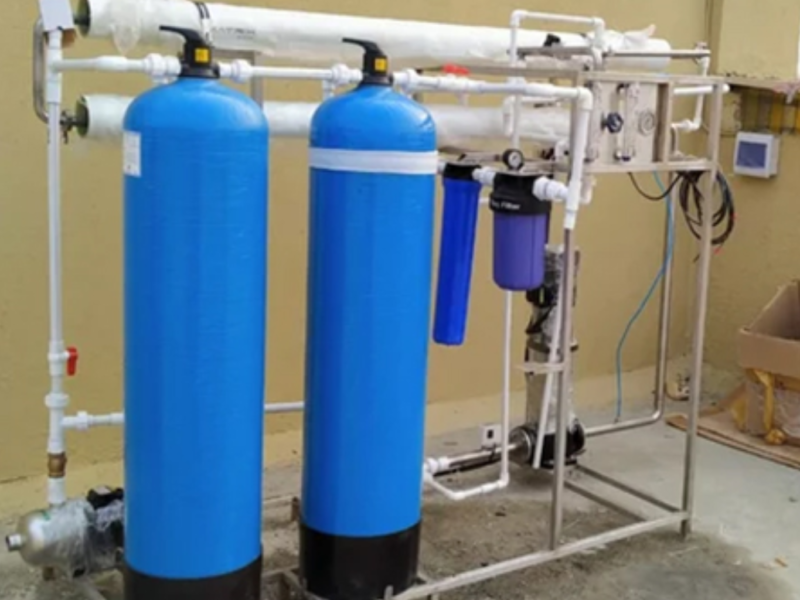
Water isn’t the same everywhere. Even homes on the same street can experience slight differences in pressure, mineral content, or plumbing condition. Municipal water may meet safety standards, but that doesn’t mean it’s optimized for taste, hardness, or long-term appliance performance.
And if you’re on a private well? That’s a whole different story. You’re essentially managing your own supply.
Understanding your water isn’t about paranoia. It’s about knowing what you’re working with.
Why Testing Isn’t Just for Emergencies
A lot of homeowners think testing water is something you only do when there’s a visible problem. But by the time something looks wrong, it’s often been developing quietly for months.
That’s why the topic of water testing importance deserves more attention.
Testing tells you what’s actually present—hardness levels, pH balance, iron, chlorine, even trace contaminants. It replaces guesswork with data. And data makes decisions easier.
For example, if your water hardness is moderate, you might not need a full-scale treatment system. If iron levels are high, you’ll know exactly why your sinks are staining.
Without testing, you’re troubleshooting blind.
And honestly, that’s when people overspend or install systems they don’t truly need.
Small Signs You Shouldn’t Ignore
Water leaves clues.
Cloudy glassware from the dishwasher. Soap that doesn’t lather easily. A slight odor when you first turn on the tap. Reduced water pressure in just one showerhead.
None of these are emergencies. But they’re signals.
Hard water, for instance, gradually causes scale buildup inside pipes and appliances. It doesn’t shout. It whispers. A little less efficiency here. A little more energy usage there.
By the time your water heater struggles or your washing machine seems tired, the root cause may have been mineral buildup all along.
That’s why early awareness matters.
Maintenance Is Boring… and Essential
Let’s be honest. Nobody gets excited about replacing filter cartridges or checking salt levels in a softener.
But maintenance is the quiet hero of water quality.
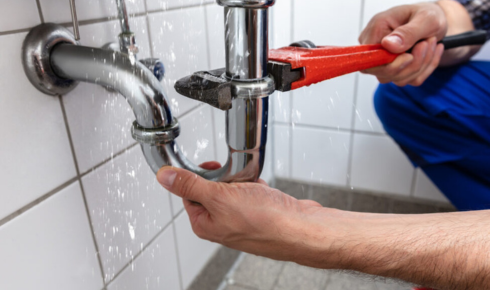
Simple maintenance tips—like flushing a water heater annually, replacing filters on schedule, or checking for leaks under sinks—can extend the life of your plumbing system significantly.
Think of it like oil changes for your car. Skip them, and you might not notice a difference immediately. But eventually, the neglect catches up.
The same principle applies to water systems. A neglected filter doesn’t just stop working efficiently; it can reduce flow rate and compromise taste.
Routine upkeep prevents that slow decline.
Taste, Comfort, and Daily Experience
Water quality isn’t just technical—it’s sensory.
Good water tastes clean. It doesn’t leave a film on your teeth. It doesn’t carry a noticeable odor. It makes coffee taste richer and tea clearer.
Softened water feels different in the shower. Soap rinses fully. Towels dry softer. Skin feels less dry.
These aren’t luxury upgrades. They’re small quality-of-life improvements that stack up.
And they start with awareness.
Municipal vs. Private Supply
If you’re on municipal water, you benefit from regulated treatment processes. But those processes are designed for safety and distribution—not necessarily for taste or personal preference.
Private well owners carry more responsibility. Regular testing is critical. Changes in groundwater conditions, nearby construction, or even seasonal shifts can affect quality.
In either case, the key is proactive attention rather than reactive frustration.
The Long View
Water touches almost every system in your home—plumbing, heating, appliances, even the structural integrity of pipes over decades.
Ignoring it doesn’t make it simpler. It just postpones the inevitable repair or replacement.
On the other hand, informed homeowners make calmer, smarter decisions. They test before installing equipment. They maintain what they have. They recognize early signs of trouble.
It’s not about obsessing over water. It’s about understanding its role in the bigger picture of homeownership.
Final Thoughts
Most of us don’t think about water until something feels off. But by then, the issue may have been developing quietly behind walls and under sinks.
A little awareness—testing periodically, performing routine maintenance, paying attention to subtle changes—goes a long way. It keeps appliances running smoothly. It preserves plumbing efficiency. It improves daily comfort in ways you barely notice until they’re gone.
Water is simple. It’s supposed to be.
But behind that simplicity is a system worth understanding. And once you do, you’ll see that caring for your home’s water isn’t complicated—it’s just part of being an informed, attentive homeowner.