There’s something deeply satisfying about a cold glass of water on a hot day. You don’t think about it much. You drink, you move on. But maybe, just maybe, you’ve noticed something odd lately. A strange aftertaste. A little film left on your glass. Or maybe your coffee just tastes off. And you start to wonder—what’s really in your water?
Spoiler: it’s not just H₂O.
The Invisible Stuff Lurking in Your Glass
We like to believe our drinking water is clean—pristine, even. But the truth? Water is a traveler. It picks up companions along its journey—minerals, metals, salts, chemicals—tiny invisible passengers that tag along right into your glass. This is where the idea of water TDS meaning comes into play.
TDS stands for Total Dissolved Solids. In simple terms, it’s a measure of everything—good and bad—that’s dissolved in your water. We’re talking calcium, magnesium, potassium (those are the good guys), and then possibly things like lead, arsenic, or nitrates (the not-so-welcome guests). TDS doesn’t show you what is there, just how much.
Why Should You Even Care About TDS?
TDS affects more than you think. It messes with taste, causes limescale buildup in appliances, and depending on what makes up that number, might even raise health concerns. Still, it’s not always cut and dry—high TDS doesn’t automatically equal bad, and low TDS doesn’t always mean good.
Ever had well water that tasted oddly “full” or “earthy”? That’s likely a high mineral content—healthy, even. On the flip side, reverse osmosis water might taste flat. No character. That’s low TDS for you.
What’s a “Good” TDS Level Anyway?
Let’s break it down. TDS is measured in parts per million (ppm). Here’s a general range:
- 0–50 ppm: Ultra-pure water (think distilled)
- 50–150 ppm: Lightly mineralized and often ideal
- 150–300 ppm: Tasty and generally healthy
- 300–500 ppm: Still okay, but check the source
- 500+ ppm: Could be problematic depending on what’s dissolved
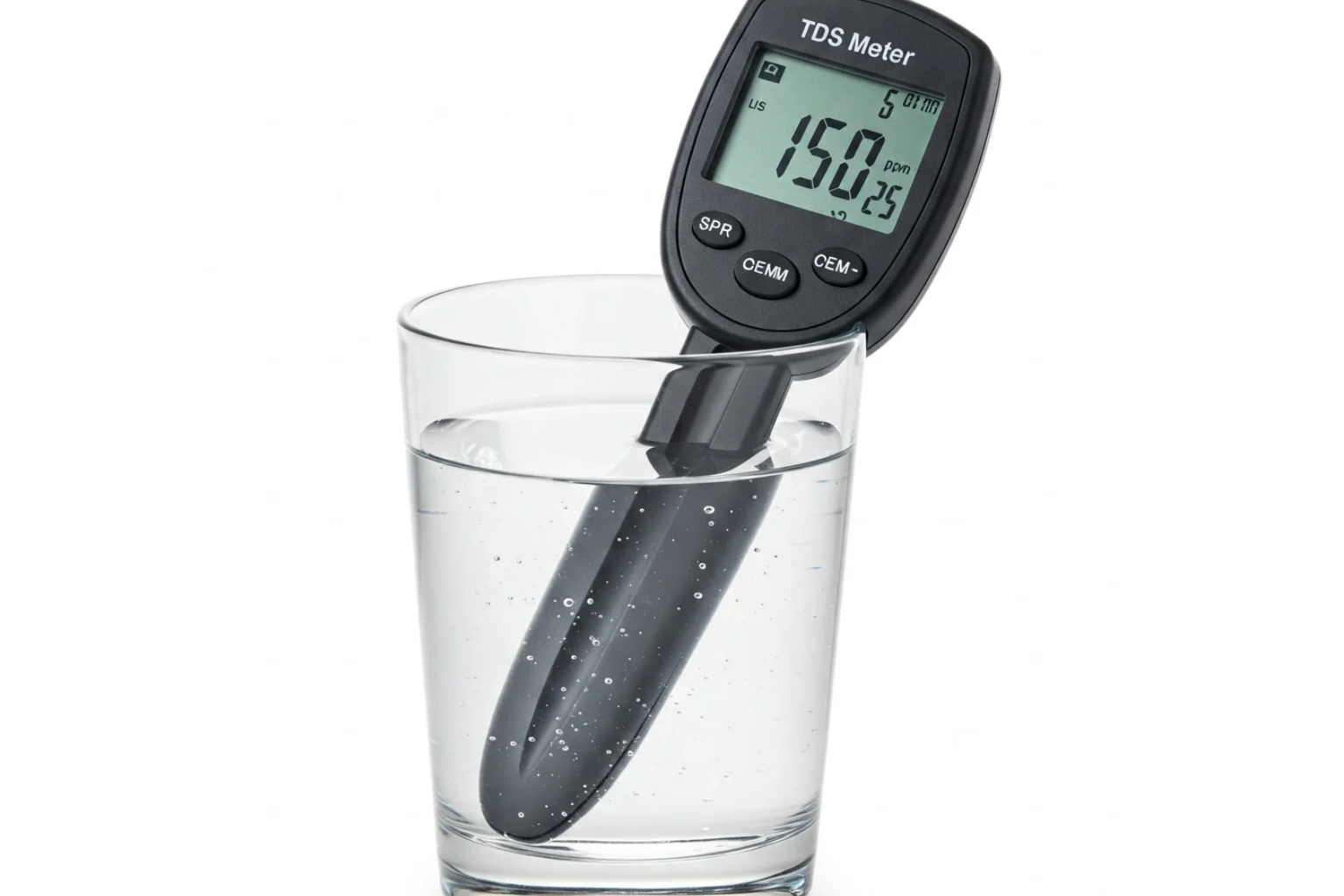
That number you’re reading on your TDS meter? It’s a sum of everything in that glass. And while it won’t tell you if something toxic is present, it does signal when it’s time to dig deeper.
This brings us to water TDS level—a term people throw around in every filter commercial. It’s not a fancy concept. It’s just a snapshot of how “heavy” your water is with dissolved material. Think of it as your water’s weight class.
Not All Solids Are Created Equal
Here’s where things get a little murky. TDS could be loaded with healthy minerals—great for your body and great for the taste. Or it could be sky-high because of sodium from water softeners, chlorine from treatment plants, or industrial runoff if you live near farms or factories.
Context is everything. If your TDS level is high but comes from clean, natural sources, you might not need to worry. If it’s high and you’re on a private well or outdated plumbing, it’s time to do some testing.
And while we’re on definitions, let’s not ignore the full form behind the acronym. The TDS of drinking water full form is, quite simply, Total Dissolved Solids. It sounds technical, but it’s just a measurement of the things your water has collected along its journey to your tap.
Tools of the Trade: How to Test Your Water
Luckily, checking your water’s TDS level doesn’t require a science degree or lab coat. You can get a digital TDS meter for the cost of a pizza. Just dip the probe into your water, wait a few seconds, and voilà—a number on the screen.
But remember, this number doesn’t diagnose. It just alerts.
If your TDS is low and your water still tastes odd? Could be a bacterial issue. If it’s high, you might be facing a mineral overload or contamination. Either way, you’re better off testing periodically—especially if you’re using a private source or have older infrastructure.
Filters, Softening, and RO: Making Sense of Your Options
So, what do you do if your water’s off the charts?
- Carbon Filters: They’ll improve taste and odor but won’t touch most TDS.
- Water Softeners: Great for reducing hardness, but they usually raise sodium content.
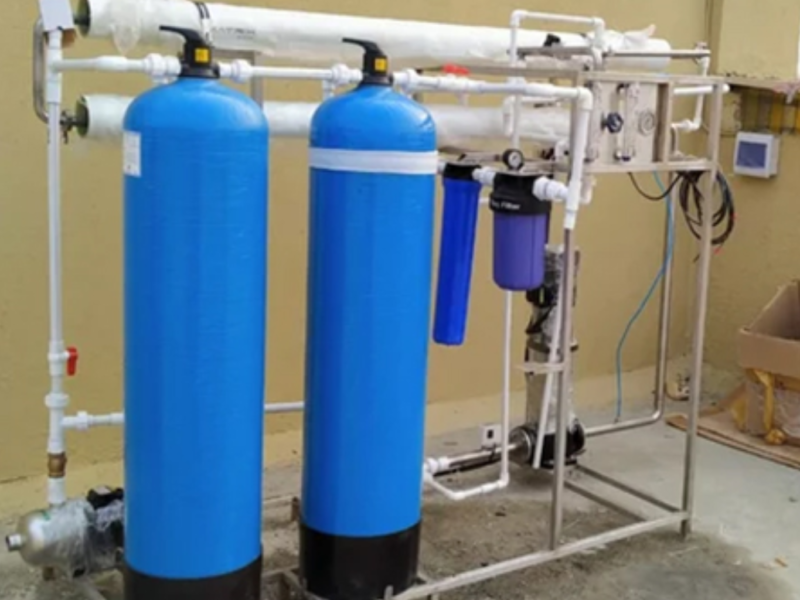
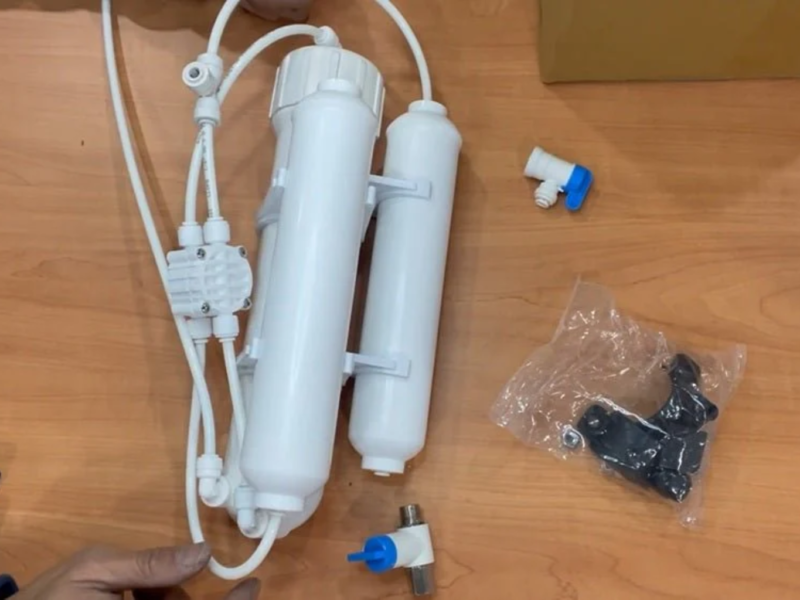
- Reverse Osmosis (RO): Probably the most effective way to drop your TDS drastically. It pushes water through a fine membrane, filtering out almost everything—even the good stuff.
If you go the RO route, keep in mind: some people add a remineralization stage to bring back the healthy minerals. Otherwise, you might end up with “dead” water that’s too soft, too flat, and lacking in nutrients.
Bottled Water vs. Tap: Don’t Be Fooled
Don’t let the label trick you.
Some bottled waters boast “low TDS” as if it’s the gold standard. But remember, water with a moderate TDS—filled with natural minerals—often tastes better and hydrates more effectively. Also, bottled water may come from municipal taps, passed through a filter, then marked up 500%.
Your tap water, with the right setup, could be just as good (or better) and doesn’t leave a trail of plastic waste.
Real People, Real Concerns
Take Priya, for example—she lives in a semi-rural home with a borewell. Her TDS levels were pushing 700 ppm. She noticed her kettle forming crusty scales every week and her skin felt dry after showers. A quick test, a smart filter system, and a few months later? No more flakes, better hydration, and her tea finally tastes like… well, tea.
Or Arjun, living in the heart of the city, who noticed his water was too soft—TDS at 25 ppm thanks to over-filtration. He felt thirsty even after drinking a full bottle. With a small remineralization cartridge, the water felt right again. Balanced. Alive.
So… What Should You Actually Do?
Don’t panic.
Test your water. Understand what TDS level you’re dealing with. Figure out the source of your water. And then decide: are you looking for better taste? Healthier minerals? Appliance protection?
Your answer will guide your solution.
And if nothing else—just being aware gives you a massive head start. Water might be basic, but in today’s world, clean water is anything but simple.
The Bottom Line
Water matters. A lot. And what’s floating invisibly inside it? That matters even more.
Understanding TDS isn’t about becoming obsessive or chasing purity. It’s about awareness. It’s about knowing when your water’s doing you good—and when it might be quietly causing harm.
Whether you’re sipping straight from the tap, relying on bottled brands, or using a home filtration system, having this knowledge is like giving your body a little extra respect. Because it deserves water that’s not just wet—but right.