You never think it’s going to happen to you.
One minute you’re having a quiet cup of coffee on a Sunday morning, scrolling through your emails, and the next you’re staring up at a ceiling that’s… bowing? Cracking? No, definitely dripping now. Not the gentle “maybe it’s just condensation” kind. The “grab every towel in the house and call someone now” kind.
And in that blurry, panic-laced moment, I realized two things:
- I had absolutely no idea who to call.
- I should’ve dealt with this months ago.
The Danger of Waiting for the Problem to Appear
The truth is, the signs were there. I just didn’t want to see them.
A small stain near the attic vent. The occasional musty smell after a storm. A barely perceptible sag in one corner of the roofline that I kept blaming on “bad lighting.” Classic homeowner denial.
But the thing about roofs is—they’re like that quiet friend who won’t speak up until it’s really bad. And by the time they do? Well, it’s already damage control mode. That’s when emergency services become your new best friend.
Let me just say—those crews who show up fast, boots on, tools in hand, in the pouring rain or dead of night? They’re heroes. Especially when you’ve got water dripping near your electrical panel. (Yeah, that happened.)
Inspections: Not Just for Buying or Selling
I used to think a roof inspection was something you did when you were selling your house. Or maybe when you were buying one. A checkbox on a real estate list. Nothing more.
Now I know better.
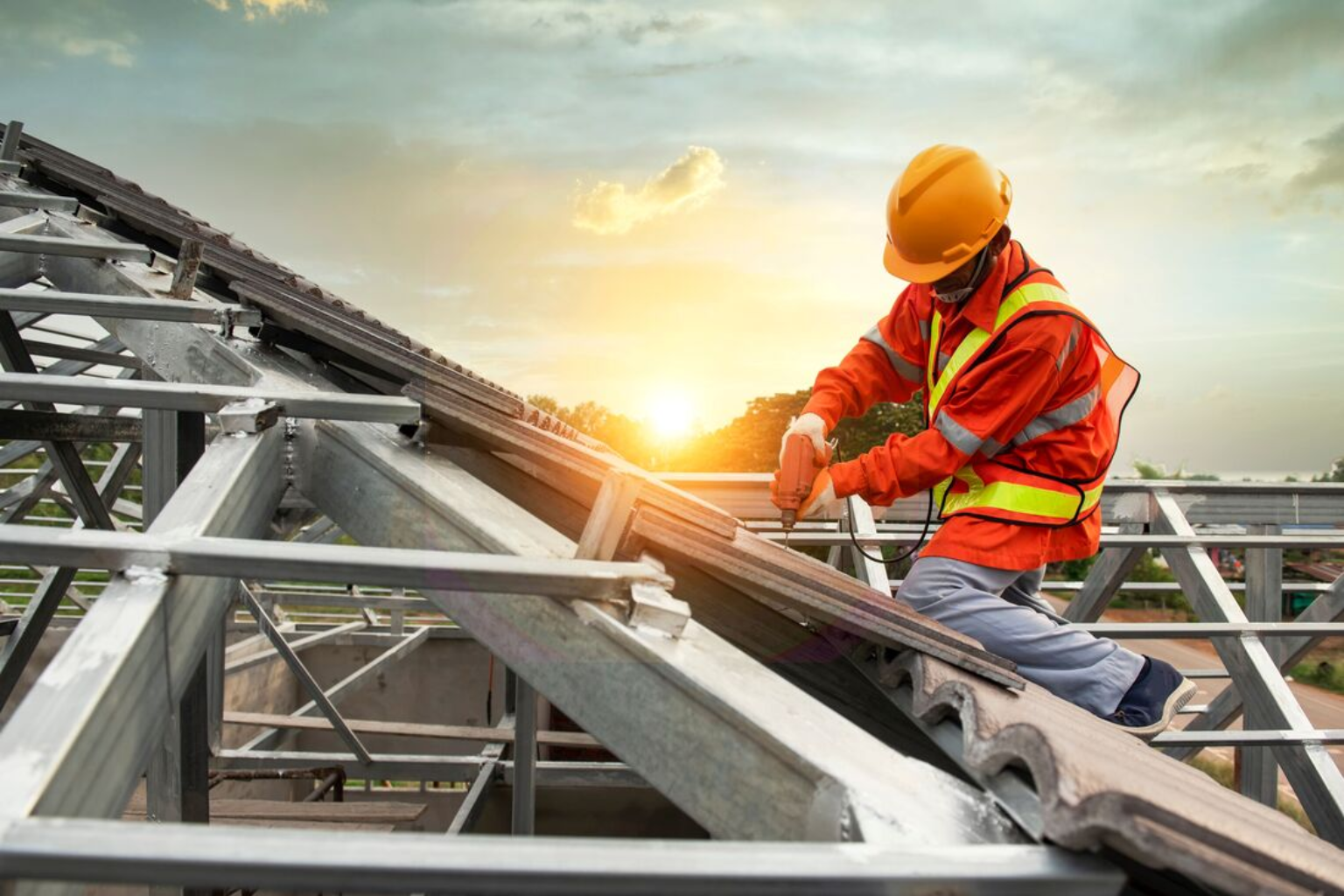
After the chaos was over and the emergency team had patched me up enough to survive the storm, I booked a full inspection with a local roofing company my neighbor swore by. Best decision I’ve made in a while.
The inspector wasn’t just looking for visible damage. He was checking underlayment, flashing, shingle integrity, attic ventilation—things I’d never thought about. And he explained it all in a way I could actually understand. No jargon, no pressure. Just honest information.
If I’d done that a year ago, I probably could’ve avoided 80% of the water damage.
Maintenance Isn’t Boring—It’s Smart
I used to roll my eyes at “preventive maintenance.” Felt like a scammy upsell most of the time. But let me tell you, after you’ve spent a couple thousand dollars fixing rot, mold, and water damage that crept in silently over months? You start to see the value.
Now, I’ve got maintenance checks booked twice a year—once before storm season and once before winter. It’s a small investment that gives me peace of mind every time it rains, snows, or the wind howls like it’s auditioning for a horror movie.
The thing about maintenance is it catches the almosts. The “this could become a leak in a few months,” the “this shingle’s on its last leg,” the “your gutter’s pulling away just enough to cause trouble.” And the cost of fixing those almosts? Way less than what happens when you don’t.
The Human Side of Roofing
One thing that really stood out during this whole process was how human it all felt. You imagine contractors showing up, rushing through the work, grabbing the check and disappearing. But the people who helped me genuinely cared.
They followed up. They explained things clearly. They gave me options. And most importantly, they didn’t make me feel stupid for waiting too long.
Owning a home comes with this unspoken pressure to know how to handle everything—from plumbing to insulation to roofing. But we’re not all experts. Sometimes we’re just trying to keep the lights on and the bills paid. So having someone in your corner who treats you with kindness? That sticks with you.
Lessons I’ll Carry (and You Should Too)
If I could rewind and give myself advice six months ago, here’s what I’d say:
- Don’t wait for a crisis. A leak is the last symptom, not the first.
- Get an inspection. Even if everything “looks fine.”
- Schedule maintenance. Your future self will thank you.
- Have an emergency contact list. Seriously, put one on your fridge. Because when things go sideways, you won’t have time to research reviews.
- Ask questions. The good pros don’t mind. The great ones welcome it.
The Roof Over My Head Feels Different Now
It’s strange. After everything—after the bucket brigade, the drywall replacement, the unexpected expenses—I feel more connected to my home than ever.
That roof isn’t just a structure anymore. It’s a symbol. Of responsibility. Of learning. Of doing better next time.