
There’s something oddly personal about drinking water. You use it every day, several times a day, without really thinking about it. Fill a glass. Brew coffee. Boil pasta. Rinse fruit. It’s routine.
Until it’s not.
Maybe your tap water has a faint chlorine smell. Maybe it tastes metallic on some days and flat on others. Or maybe you’ve just started paying closer attention to what goes into your body and realized water deserves the same scrutiny as food.
That’s usually when reverse osmosis enters the conversation.
But is it actually worth it? Or just another kitchen upgrade people talk about?
Let’s unpack it honestly.
What Reverse Osmosis Actually Does
Reverse osmosis (RO) is a filtration process that pushes water through a semipermeable membrane. That membrane blocks many dissolved solids, heavy metals, and other impurities while allowing clean water molecules to pass through.
It’s not magic. It’s physics.
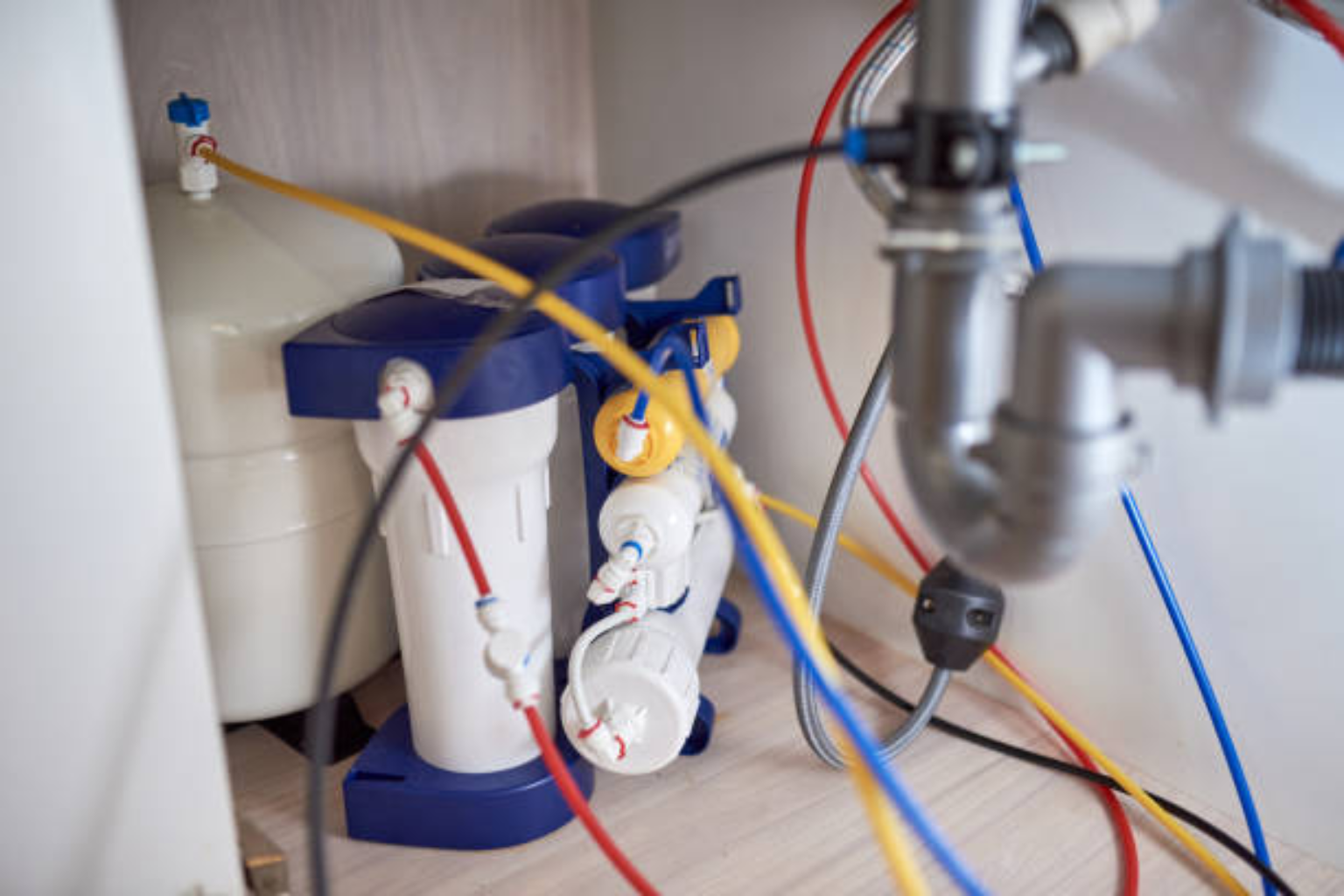
The result is highly purified water from a dedicated tap, usually installed under your kitchen sink. The system typically includes pre-filters and post-filters to refine taste and protect the membrane.
When people talk about the benefits of reverse osmosis water, they’re usually referring to its ability to dramatically reduce dissolved solids and impurities that other filters might leave behind.
It’s a deeper level of filtration than most basic carbon systems.
The Contaminant Conversation
Municipal water systems are regulated, and in most areas, they meet safety standards. That’s important to acknowledge.
But “safe” doesn’t mean free from everything.
Trace contaminants—like residual chlorine, nitrates, certain metals, or dissolved salts—can still be present within allowable limits. In older plumbing systems, additional variables like lead from aging pipes may come into play.
This is where reverse osmosis stands out for its thorough contaminant removal capabilities.
RO membranes are highly effective at reducing a broad range of dissolved substances. While not every home needs that level of filtration, some homeowners appreciate the extra margin of confidence.
It’s less about fear and more about control.
Taste Is Often the First Noticeable Change
If you ask someone why they installed an RO system, many won’t start with technical explanations. They’ll say something simple: it tastes better.
And that’s not surprising.
Dissolved minerals and disinfectants can subtly affect flavor. Coffee brewed with high-TDS water may taste different than coffee brewed with purified water. Tea can carry faint bitterness from mineral content.
RO systems often produce noticeably better tasting water—clean, neutral, almost crisp.
For families who drink a lot of tap water, that difference becomes part of daily life.
And when water tastes good, people naturally drink more of it.
What About Minerals?
One common question is whether reverse osmosis removes beneficial minerals.
Technically, yes—it removes many dissolved minerals, including calcium and magnesium. But it’s worth remembering that most dietary minerals come from food, not water.
Some RO systems include remineralization cartridges that add small amounts of minerals back for flavor balance.
It’s a personal preference decision. Some people love the ultra-clean taste of fully purified water. Others prefer a slightly mineralized profile.
Cost and Maintenance Realities
Installing a reverse osmosis system isn’t free. There’s the upfront cost of the unit and installation, plus ongoing filter replacements.
Pre-filters and post-filters typically need replacing every six to twelve months. The membrane itself may last two to three years depending on usage and water quality.
Maintenance isn’t difficult—but it is necessary.
Ignoring filter changes reduces system effectiveness and can impact water flow.
That said, many households find the cost comparable to—or even less than—regularly buying bottled water.
When Reverse Osmosis Makes Sense
RO systems are especially useful in homes with:
- High levels of dissolved solids
- Well water supplies
- Known contaminants of concern
- Persistent taste and odor issues
The smartest first step is always water testing. Understanding your specific water profile prevents unnecessary upgrades.
If your water quality is already excellent, a simpler filtration system may be enough.
But if testing reveals elevated TDS or specific contaminants, reverse osmosis becomes a compelling option.
The Quiet Confidence Factor
One of the less-discussed aspects of RO systems is peace of mind.
When you know your water has passed through a membrane designed to block dissolved impurities, there’s a subtle sense of reassurance.
You’re not relying solely on municipal treatment. You’ve added an extra layer.
For some people, that matters deeply.
A Balanced Perspective
Reverse osmosis isn’t mandatory. It’s not the only solution. And it’s not necessary for every home.
But it is one of the most comprehensive point-of-use filtration options available.
It refines water at a molecular level. It improves taste. It reduces a wide range of dissolved substances.
The key is informed choice—not impulse.
Final Thoughts
Water is simple. But it’s also foundational.
When you improve the quality of something you use every day, even small changes feel meaningful.
Whether your goal is improved taste, deeper purification, or added peace of mind, reverse osmosis offers a practical path forward—when it’s the right fit.
Because at the end of the day, clean water shouldn’t raise questions. It should simply feel right.
And when it does, you notice.

