
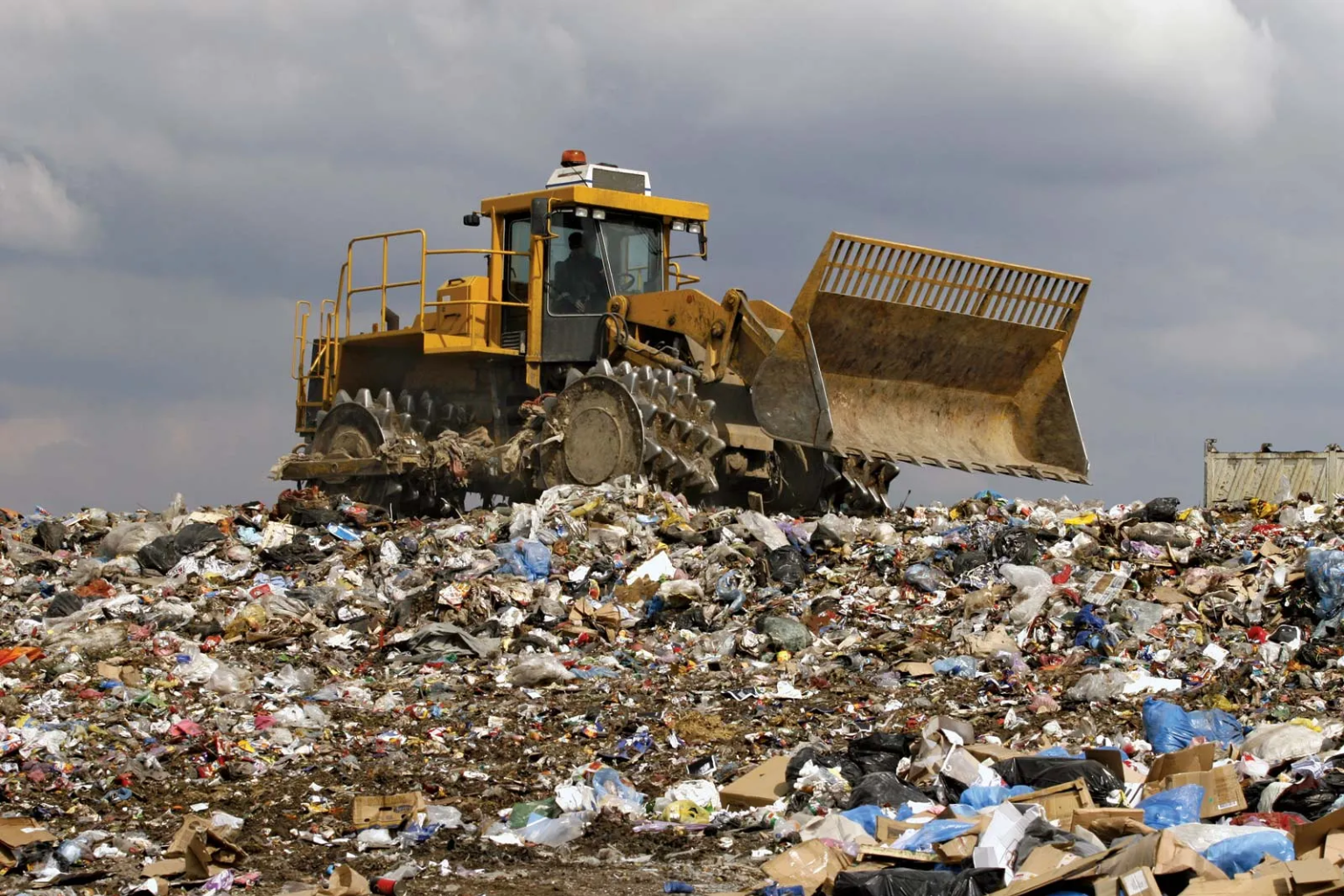
Waste management isn’t something most people think about until they have to. It’s easy to ignore what leaves a facility in a sealed container or gets picked up on a scheduled route. Out of sight, out of mind. But the moment a question arises—about regulations, environmental impact, or liability—waste suddenly feels very visible.
I’ve noticed that most concerns around disposal aren’t dramatic. They’re practical. People want clarity. They want to know they’re doing the right thing, both legally and responsibly. And they don’t want to get caught off guard by a rule they didn’t know existed.
That’s fair.
The Questions People Are Almost Afraid to Ask
There’s often hesitation when it comes to discussing waste. No one wants to admit uncertainty about something that seems like it should be straightforward.
Yet the most common waste disposal questions tend to be surprisingly basic:
Is this material considered hazardous?
Do I need special documentation for transport?
How long should I keep records?
What happens if I dispose of something incorrectly?
These aren’t foolish questions. They’re foundational.
Waste classifications can shift depending on chemical composition, volume, or even local jurisdiction. Something that seems harmless in small quantities may require additional handling steps in larger amounts.
And documentation? That’s not busywork. It’s protection. Clear records demonstrate due diligence and help prevent misunderstandings later.
Why Compliance Isn’t Just About Avoiding Fines
When people hear the word “compliance,” they often picture inspections and penalties. But compliance is really about structure.
It creates a framework for consistency. It outlines who is responsible, how materials should be labeled, and what reporting timelines look like. Without that structure, waste management would quickly become chaotic.
Businesses frequently seek compliance answers not because they want to cut corners, but because they want certainty. They need to know that procedures align with environmental regulations and industry standards.
That clarity reduces stress. It also reduces risk.
And in the long run, prevention costs far less than remediation.
The Misconception of “It’s Just Trash”
One of the most persistent myths is that all waste is the same.
It isn’t.
Construction debris differs from chemical byproducts. Office waste differs from industrial sludge. Even recyclable materials require proper sorting and documentation to avoid contamination issues.
Treating everything as “just trash” can create downstream complications. Improper disposal may lead to soil or groundwater contamination. Incorrect labeling can result in rejected loads at disposal facilities.
Understanding categories—hazardous, non-hazardous, universal waste—makes the process more manageable.
It’s less overwhelming when broken down properly.
Planning Before Problems Arise
Many organizations wait until a project is underway to address waste handling. But proactive planning makes an enormous difference.
Before renovation or demolition begins, for instance, identifying potential contaminants—like asbestos or lead-based materials—prevents delays later. During industrial operations, regular audits help ensure storage containers remain compliant.
Thoughtful cleanup guidance doesn’t only apply after an incident. It’s equally valuable during routine operations.
Preventive measures—secondary containment systems, clear labeling protocols, employee training—create a safer baseline.
When something unexpected does happen, the response becomes smoother.
Recordkeeping Isn’t Optional
If there’s one element that consistently causes anxiety, it’s documentation.
How long should manifests be retained? What details must be recorded? Who signs off?
Recordkeeping may not feel exciting, but it’s essential. In many cases, disposal documentation must be retained for years. That paperwork becomes proof that materials were handled appropriately.
Think of it like an insurance policy. You hope you never need it. But if questions arise, you’ll be glad it’s organized.
Training Makes Everything Easier
Even the best policies fail if employees don’t understand them.
Training doesn’t need to be overly technical. It just needs to be clear. How to identify waste categories. Where to store materials. Whom to notify if something spills or leaks.
When everyone shares the same understanding, fewer mistakes happen.
And fewer mistakes mean fewer headaches.
Environmental Responsibility Beyond Regulations
While compliance matters, environmental responsibility often goes further.
Recycling initiatives, waste minimization strategies, and resource recovery programs demonstrate a commitment to sustainability. They reduce landfill contributions and lower environmental impact.
It’s not always about meeting minimum standards. Sometimes it’s about exceeding them.
Customers and communities increasingly notice these efforts.
What to Do If Something Goes Wrong
Mistakes happen. Containers rupture. Materials get mislabeled. Deadlines get missed.
The key is responding quickly and transparently.
Isolate the issue. Document it thoroughly. Notify appropriate parties. Correct procedures moving forward.
Hiding a mistake rarely improves the outcome. Addressing it directly often does.
The Human Element
At the heart of waste management are people—facility managers trying to keep operations smooth, environmental coordinators juggling reporting deadlines, employees handling materials daily.
Clear communication, realistic expectations, and accessible information make their jobs easier.
When questions are answered openly and procedures are clearly explained, waste management stops feeling intimidating.
It becomes part of the routine.
Final Thoughts
Waste disposal isn’t glamorous. It doesn’t come with fanfare or applause. But it plays a critical role in environmental protection and operational stability.
By asking the right questions, seeking clear compliance guidance, and implementing structured cleanup practices, organizations protect not just themselves—but the communities around them.
And sometimes, doing the right thing quietly and consistently is the most impactful work of all.