There’s something oddly sacred about tap water. We cook with it. Bathe in it. Trust it without question. But every now and then, a whisper starts traveling across neighborhoods and online forums: Is it really safe?
For Deer Park residents, that whisper has become louder lately. Stories about funny tastes, odd odors, or worse—health concerns—have trickled into community chats and town hall meetings. And when enough people raise an eyebrow at what’s coming out of the faucet, it’s no longer just a coincidence. It becomes a conversation we need to have. Honestly. And without panic.
Let’s break this down—what’s fact, what’s fear, and where Deer Park really stands when it comes to clean, safe water.
A Quiet Stir Becomes a Loud Concern
Not long ago, Deer Park was just another quiet suburb with little reason to question what flowed from the kitchen sink. But lately, concerns over deer park water contamination have been cropping up—and they’re no longer isolated.
Some locals have reported discoloration, occasional sediment, or even unusual smells. Now, it’s worth noting: water systems, especially in older areas, do go through phases where pipes corrode, minerals build up, or municipal treatment temporarily shifts. But it’s the pattern of complaints that’s raising eyebrows.
And in an age where misinformation spreads faster than water through a leaky pipe, it’s easy to spiral. That’s why staying informed through verified sources is the key—not fear-mongering, not denial.
Is It Just in My Head? Or Is Deer Park Water Contaminated?
That question—asked over breakfast tables, in local Facebook groups, whispered during school pickups—deserves an answer. And not a vague one.
Let’s be clear: “contaminated” is a strong word. It doesn’t always mean poisonous or deadly. It can refer to the presence of anything that shouldn’t be there—from excess minerals to bacteria, or even chemicals that, while technically “safe,” exceed comfort levels for some people.
So, is Deer Park water contaminated? Technically, in most tests conducted by the local water authority, it still falls within federal safety guidelines. But that doesn’t always align with public perception or comfort. For example, trace amounts of PFAS (forever chemicals), nitrates, and residual disinfectants have been found. Again—within “safe” levels—but detectable.
The tricky part is that not everyone responds to these things the same way. A healthy adult may never notice. But someone immunocompromised, elderly, or with skin sensitivities might.
So, while the official stance might be “it’s okay,” the community’s growing concern is still valid. Clean doesn’t just mean legally acceptable—it means peace of mind.
Testing, Transparency, and Trust
Here’s the thing about trust—it’s fragile. Once shaken, it takes more than numbers and reports to bring it back. That’s why the local government and utilities need to be not just accurate but proactive in sharing water data.
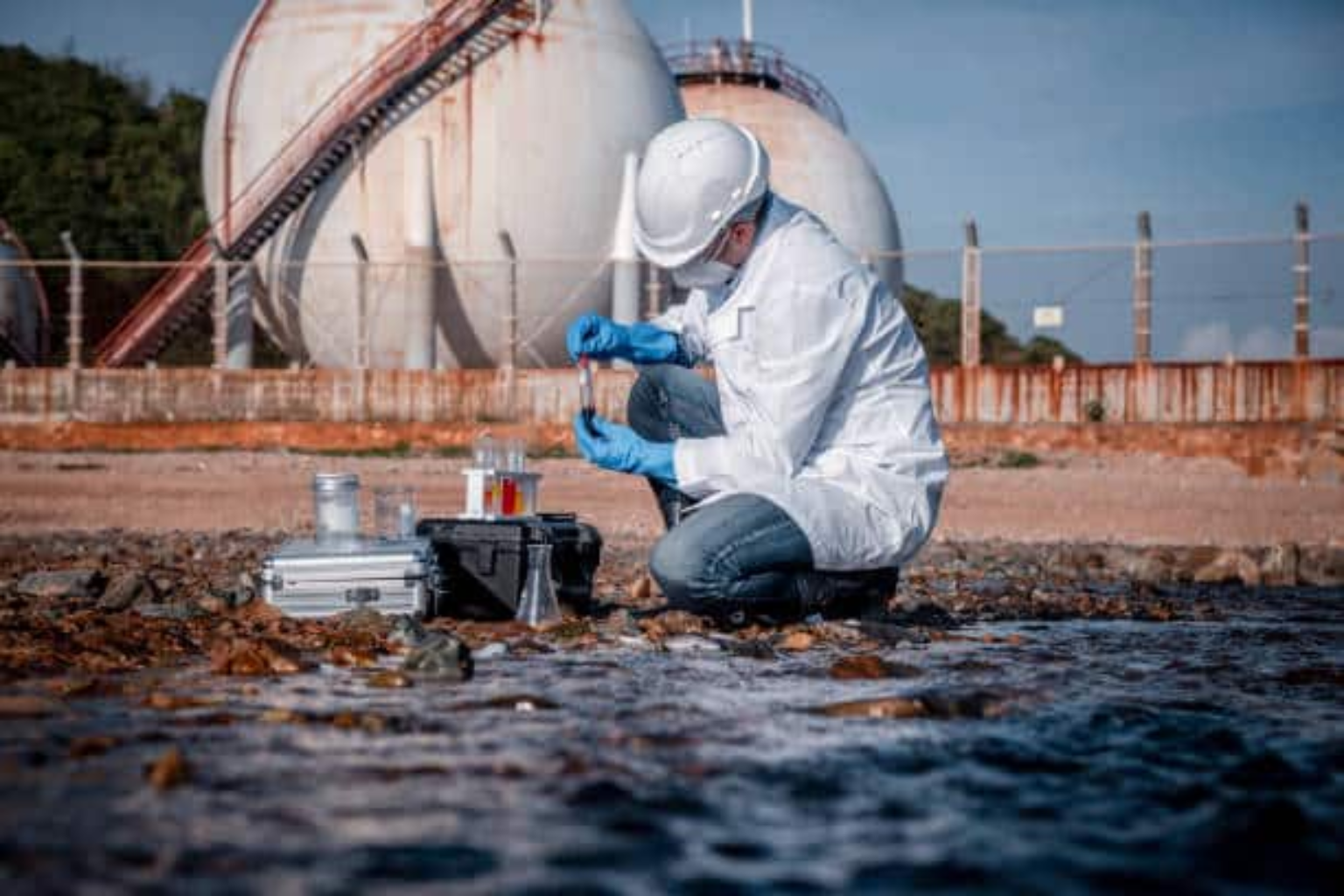
For homeowners who want to double-check for themselves, scheduling a deer park water test is one of the smartest moves you can make. Whether you order an in-home test kit or go through a professional service, you’ll get clarity—about pH levels, mineral content, potential lead or copper presence, and bacterial safety.
And hey, it’s not just about solving a mystery. It’s about control. Knowing what’s in your water helps you make smarter decisions—whether that means installing a filter, switching to bottled for drinking, or just sighing in relief and carrying on.
Filters, Fixes, and Fending for Yourself
Let’s be real—if you’ve lost confidence in your water, you probably won’t sit around waiting for the city to make a move. Most people start taking matters into their own hands.
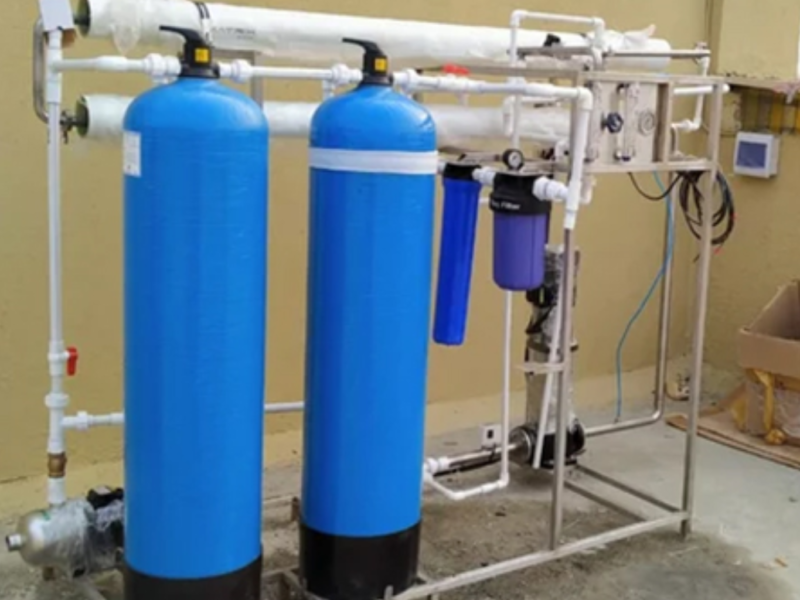
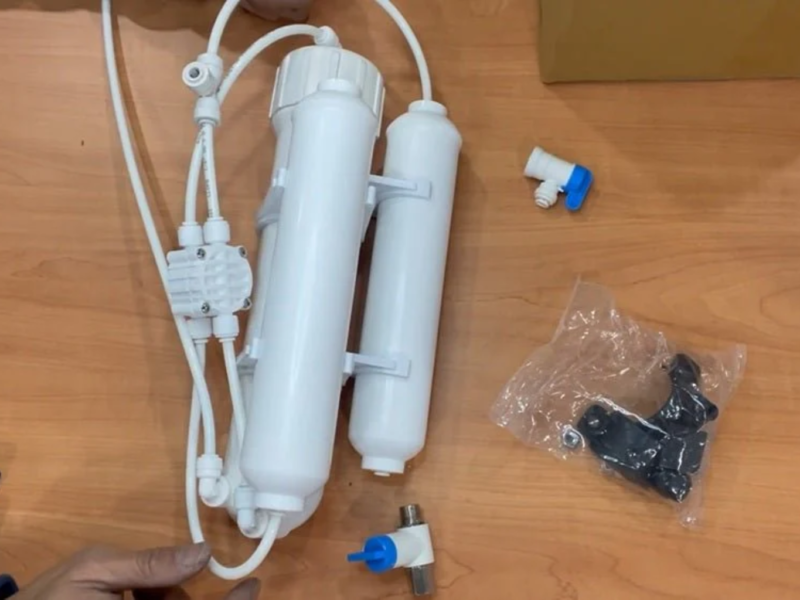
There’s been a spike in local sales of under-sink filters, faucet attachments, and even whole-home water purification systems. And honestly? That’s not a bad thing.
You’re not being dramatic for filtering your drinking water. You’re being cautious. Especially if you have kids, elderly parents, or anyone with allergies or gut issues at home. Water should be nourishing, not something you second-guess.
The Bigger Picture: Infrastructure and Accountability
Water doesn’t come from nowhere. It travels—from reservoirs, through pipes, into treatment centers, and finally to your tap. That system, while marvelously engineered, isn’t flawless. Especially when it’s decades old.
The long-term solution to Deer Park’s water anxiety isn’t bottled water. It’s infrastructure upgrades. Pipe replacements. Treatment overhauls. And that takes money, time, and public pressure.
So, while individual testing and home filtering are great short-term solutions, residents also need to raise their voices for larger, municipal action. Attend city meetings. Demand better transparency. Vote for leaders who prioritize public health and infrastructure—not just surface-level fixes.
Let’s Talk About Health and Headaches
While panic isn’t productive, we can’t ignore that bad water—even mildly off water—can have effects. Some residents have reported dry skin, stomach issues, or cloudy dishes post-wash. It’s tough to pinpoint the water as the root cause every time, but patterns speak.
Even more concerning? The emotional toll. Feeling unsure about something as basic and essential as water messes with your sense of safety. It’s unsettling to second-guess something you use every single day. And that stress adds up—especially when you’re trying to protect your family.
That’s why this conversation matters. Not just for science, but for sanity.
So, What Can You Do Today?
If you’ve made it this far, chances are you care deeply about your home, your health, and your neighborhood. So here’s what you can do right now:
- Order a professional or DIY deer park water test.
- Install a water filter—pitcher, under-sink, or whole-house—based on your test results.
- Start a conversation with your neighbors. Share findings. Ask if they’ve noticed changes.
- Reach out to your local water authority and request the latest water quality report.
- Stay involved. Even one voice asking thoughtful questions can shift the narrative.
Closing Thoughts: You Deserve Better Than Uncertainty
Water shouldn’t be a guessing game. It shouldn’t come with caveats, disclaimers, or that little voice in your head saying, “Maybe don’t drink that.”
Deer Park isn’t alone in facing water challenges. But that doesn’t mean residents should accept less than clarity, safety, and long-term solutions.