Have you ever traveled to another city and noticed the water tastes completely different? Same clear appearance. Same cold glass. Totally different flavor.
That subtle shift often comes down to minerals and dissolved solids. Things you can’t see, but absolutely can taste.
Water is rarely just H₂O. It carries calcium, magnesium, sodium, chloride, and other naturally occurring elements picked up as it moves through soil and rock. In many cases, those minerals are harmless. Sometimes they’re even beneficial. But when levels climb too high, the taste changes. Appliances struggle. Soap doesn’t lather the same.
And that’s where conversations around dissolved salts reduction begin.
What Are Dissolved Salts, Really?
When people hear “salts,” they often think of table salt. But in water treatment, dissolved salts refer to a broader category of mineral compounds — calcium sulfate, magnesium chloride, sodium bicarbonate, and more.
These contribute to what’s called Total Dissolved Solids (TDS). High TDS levels can create a brackish or metallic taste. In coastal regions, saltwater intrusion can increase sodium content. In arid climates, evaporation concentrates minerals naturally.
You might not notice it at first. But over time, it’s there — in your kettle scale, on shower doors, in the flavor of your morning coffee.
Taste Isn’t Just Preference
There’s a psychological side to water taste. When water tastes clean, we drink more of it. When it tastes slightly off, we subconsciously avoid it.
And hydration matters. Energy levels. Skin health. Digestion. All connected to water intake.
That’s why many homeowners explore filtration options not out of fear, but simply to achieve better drinking water — water that feels light, neutral, and refreshing.
Taste improvement alone can be a compelling reason to act.
Reverse Osmosis and Mineral Control
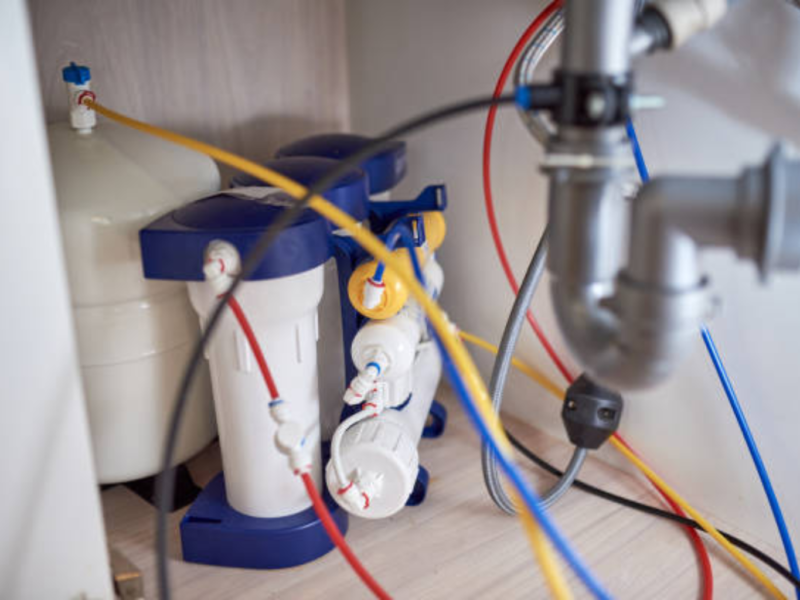
Reverse osmosis (RO) systems are particularly effective at lowering TDS levels. They use a semi-permeable membrane to remove dissolved ions and impurities from water before it reaches your glass.
In practical terms, that means fewer minerals, fewer salts, and often a noticeable difference in taste.
When discussing ro filtration effectiveness, it’s important to understand that RO systems aren’t just surface filters. They address dissolved substances at a molecular level, which standard carbon filters typically cannot.
That’s why they’re commonly recommended in areas with high salinity, nitrate concerns, or elevated mineral content.
Is Lower TDS Always Better?
Here’s where nuance matters.
Extremely low mineral content water can taste flat to some people. That’s why many modern RO systems include remineralization stages, adding small amounts of calcium or magnesium back into the water for balance.
It’s not about stripping water down to nothing. It’s about control.
You decide what stays and what goes.
When Should You Be Concerned?
Not all high TDS water is unsafe. In fact, many municipal supplies contain moderate mineral levels that fall well within safety guidelines.
However, if you notice:
• Persistent scaling on fixtures
• Salty or metallic taste
• High sodium readings in local water reports
• White buildup in appliances
It may be worth testing your water.
Data first. Equipment second.
Testing reveals whether dissolved salts are merely an aesthetic issue or something requiring targeted treatment.
Beyond Taste: Appliance Impact
Mineral-heavy water doesn’t just affect flavor. It can reduce appliance lifespan.
Water heaters accumulate scale, decreasing efficiency. Dishwashers leave spots. Coffee machines clog faster. Washing machines may require more detergent to achieve the same results.
Reducing dissolved solids can help extend the life of these appliances. That’s not always the primary motivation — but it’s a nice side benefit.
Maintenance and Practicality
Installing an RO system is relatively straightforward, usually under the kitchen sink with a dedicated faucet.
Maintenance involves replacing pre-filters and post-filters periodically, along with occasional membrane changes. It’s manageable. But it does require attention.
Like any tool, performance depends on upkeep.
Neglect the filters, and you lose efficiency. Stay consistent, and the system does its job quietly in the background.
Balancing Expectations
Reverse osmosis isn’t a magic cure for every water issue. It won’t fix plumbing leaks or eliminate every possible contaminant without proper configuration.
But for households struggling with high TDS, salty taste, or mineral buildup, it can provide a noticeable upgrade.
The key is alignment between your water profile and your goals.
The Emotional Factor
There’s something oddly satisfying about filling a glass from a dedicated RO faucet. It’s small, almost symbolic. But it signals intentionality.
You’ve taken the time to understand your water. You’ve made a decision based on evidence. You’ve improved something fundamental in your home.
And sometimes, those quiet improvements — the ones that make daily life smoother — are the most rewarding.
Final Thoughts
Water is simple, yet incredibly complex.
Most of the time, it’s perfectly safe. But safe doesn’t always mean optimal for taste or long-term appliance health.
If your tap water tastes heavier than you’d like, or mineral deposits are becoming a nuisance, consider testing. Understand your TDS levels. Evaluate your options thoughtfully.
Because when your water feels clean, light, and balanced, you don’t think about it anymore.
You just drink it.
And that might be the best outcome of all.